Best Foods for Diabetes
Use up and down arrow keys to resize the meta…

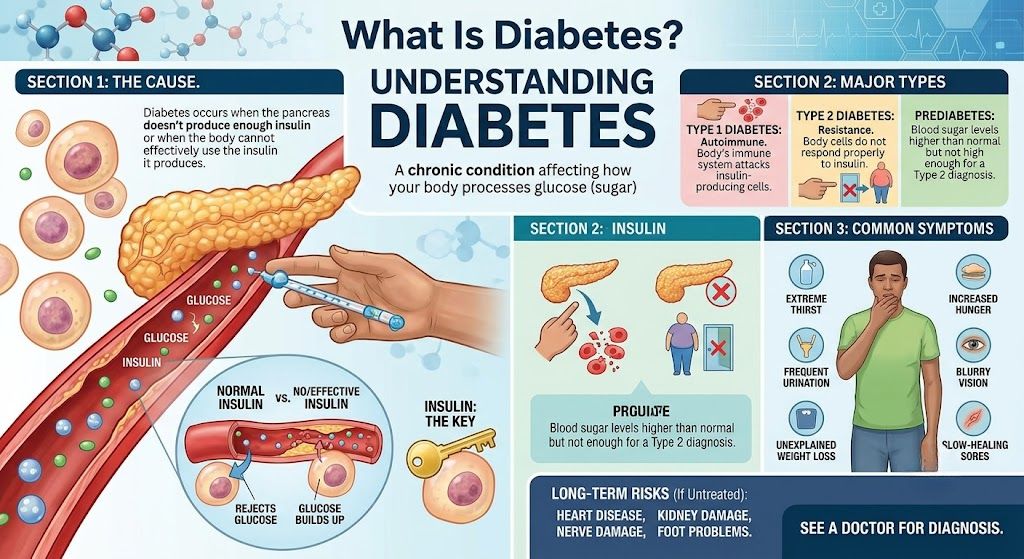
Diabetes is a long-term condition that affects how the body regulates blood sugar (glucose). While medication and regular physical activity play important roles in diabetes management, a healthy diet is one of the most effective ways to support stable blood sugar levels and reduce the risk of complications. Choosing nutrient-rich foods can help improve insulin sensitivity, provide steady energy, and support heart, kidney, and overall health.
There is no single “diabetes diet” that works for everyone. Instead, the goal is to eat a balanced variety of foods that are high in fiber, rich in vitamins and minerals, and lower in added sugars and refined carbohydrates. People with diabetes can still enjoy many delicious foods while maintaining healthy blood glucose levels through proper portion sizes and balanced meal planning.
In this complete guide, you will learn about the best foods for diabetes, foods to limit, meal planning tips, healthy eating habits, and practical lifestyle strategies to support long-term blood sugar management.
Sustaining a healthy metabolic state relies on a delicate biological balance that controls how energy enters and clears from your bloodstream.
|
Food Group |
Glycemic Impact |
Primary Benefits |
Key Examples |
|
Non-Starchy Vegetables |
Minimal / Very Low |
Rich in fiber, essential vitamins, and minerals; very low calorie |
Spinach, kale, broccoli, cucumbers, Swiss chard |
|
Whole Grains & Legumes |
Moderate (Slow Release) |
High soluble fiber content; provides sustained energy release |
Oats, quinoa, brown rice, lentils, chickpeas |
|
Lean Proteins & Fatty Fish |
None to Negligible |
Increases satiety; supports muscle maintenance; rich in omega-3s |
Salmon, trout, skinless chicken, Greek yogurt, eggs |
|
Healthy Fats & Nuts |
None to Negligible |
Improves lipid profiles; slows overall digestion rate |
Extra virgin olive oil, avocados, walnuts, chia seeds |
According to clinical nutrition insights mapped by the World Health Organization (WHO), adopting a balanced, fiber-dense diet is fundamental to managing metabolic disorders. Healthy eating helps:

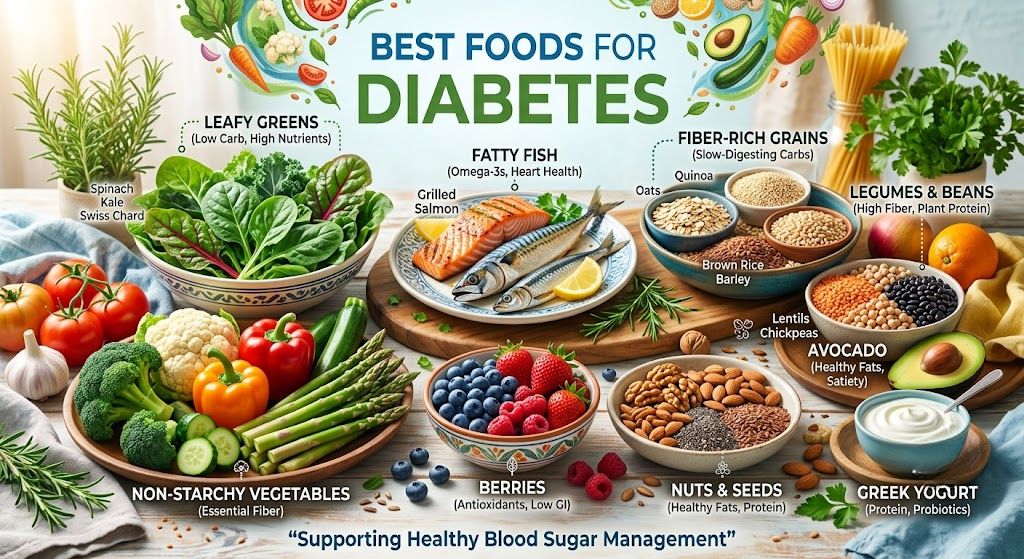
Leafy greens are low in calories and carbohydrates while being exceptionally high in nutrients.
Unlike refined grains, whole grains contain the full bran and germ, causing them to digest more slowly.
Fatty fish provide high-quality protein and essential fatty acids.
Legumes are exceptional sources of plant-based protein and complex carbohydrates.
Choosing plain, low-fat or full-fat unsweetened Greek yogurt provides a nutrient-dense protein source.
A nutrient-rich combination of healthy fats, protein, and structural fiber.
Low-glycemic fruits that satisfy sweet cravings naturally.
Whole citrus fruits deliver essential nutrients in a fiber-wrapped package.
A cross-bearing, non-starchy vegetable packed with protective compounds.
A unique fruit rich in healthy monounsaturated fatty acids rather than carbohydrates.
An economical and complete source of high-quality dietary protein.
A foundational healthy fat packed with antioxidants and oleic acid.

To maintain smooth, predictable blood sugar patterns, try to minimize items that cause rapid glycemic spikes or promote cellular inflammation:

Establishing an organized, predictable pattern for your body’s circadian clock handles a massive portion of the heavy lifting when it comes to maintaining baseline insulin sensitivity.
Waking up in a calm, highly organized manner keeps your early morning spike of cortisol well within healthy boundaries, preventing stress hormones from causing sudden blood sugar releases from your liver. To learn exactly how to construct an intentional morning that supports your metabolic health, balances your endocrine function, and promotes sustained energy all day long, explore our comprehensive master blueprint on establishing the best morning routine for a healthy life to lock in your long-term wellness.
By focusing on whole foods, balanced portion sizes, and regular physical activity, you can naturally support a healthy metabolism and improve insulin sensitivity. Learn more in our guide on How to Boost Metabolism Naturally.
Myth 1: People with Diabetes Must Eliminate All Fresh Fruit
Reality: False. Whole fresh fruits contain essential fiber, vitamins, and minerals that naturally slow sugar absorption. When consumed in controlled portions, whole fruits fit cleanly into a healthy meal plan.
Myth 2: Carbohydrates Are Entirely Forbidden on a Diabetes Diet
Reality: False. Carbohydrates are a primary energy source. The key is choosing complex, high-fiber carbohydrates (like whole grains, beans, and vegetables) over refined sugars.
Myth 3: You Must Purchase Expensive “Diabetic-Specific” Processed Foods
Reality: False. Pre-packaged “diabetic” products are often expensive and can contain sugar alcohols or unneeded additives. Naturally whole, unprocessed foods from the standard grocery store are far superior.
Dietary changes are one of the most powerful tools for regulating blood sugar, but individual glycemic responses vary. Regularly checking post-meal blood sugar levels helps you learn which specific foods work best for your unique system.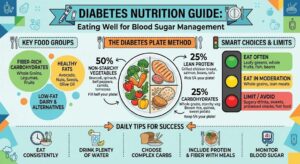
Q1: Which specific foods are best for naturally lowering blood sugar?
High-fiber non-starchy vegetables, legumes, whole oats, chia seeds, and healthy proteins slow gastric emptying and cellular glucose absorption, helping keep blood sugar steady.
Q2: Can someone with diabetes safely eat fruit daily?
Yes. Whole fruits like berries, apples, citrus, and pears can be enjoyed daily in appropriate portion sizes, especially when paired with a protein or healthy fat.
Q3: Is brown rice significantly better than white rice for diabetes?
Yes. Brown rice retains its outer bran layer, providing structural fiber that slows down starch digestion and leads to a more gradual rise in blood sugar compared to white rice.
Q4: What are the best drinks for blood sugar control?
Water, sparkling mineral water, unsweetened herbal teas, black coffee, and green tea are ideal because they contain zero added carbohydrates.
Q5: Can diet alone eliminate the need for diabetes medication?
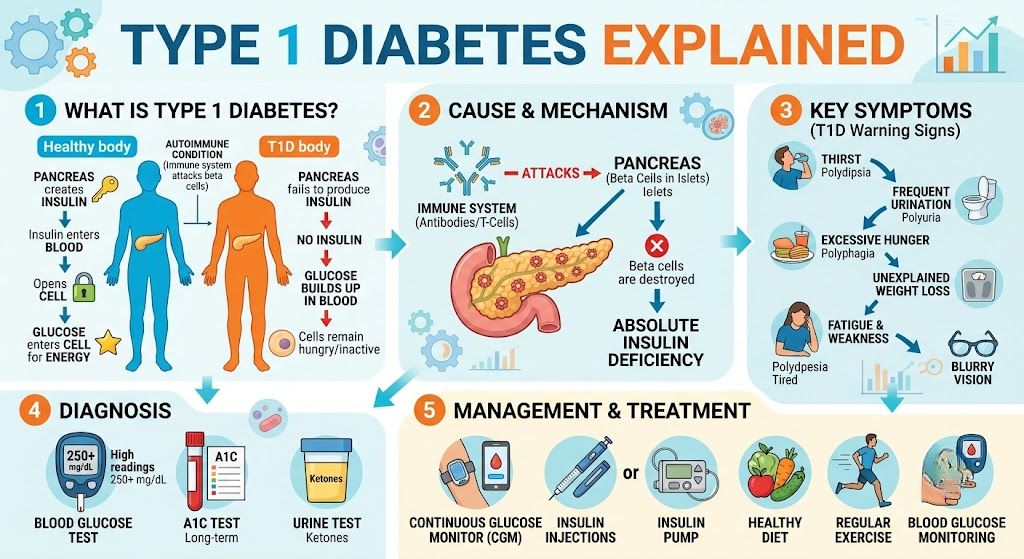
In some cases of Type 2 diabetes or prediabetes, comprehensive dietary and lifestyle changes can lead to clinical remission. However, Type 1 diabetes and some cases of Type 2 still require medication or insulin under medical supervision.
Choosing the right foods is one of the most effective ways to support healthy blood sugar management. A balanced eating pattern that includes vegetables, whole grains, lean proteins, healthy fats, and fiber can help maintain stable glucose levels while supporting heart, kidney, and overall health. Combined with regular physical activity, appropriate medical care, and healthy lifestyle habits, good nutrition plays a key role in long-term diabetes management.
The clinical symptoms, risk factors, nutritional ideas, and diagnostic frameworks detailed throughout this article are compiled exclusively for general educational and informational purposes. This content must never be treated as a direct substitute for individualized professional medical advice, clinical diagnosis, or specialized pharmaceutical therapies. Always consult directly with a board-certified primary care physician, endocrinologist, or registered dietitian before modifying your diagnostic screening intervals, introducing new exercise routines, or altering your dietary habits, particularly if you are pregnant, manage pre-existing metabolic conditions, or take prescription medications.
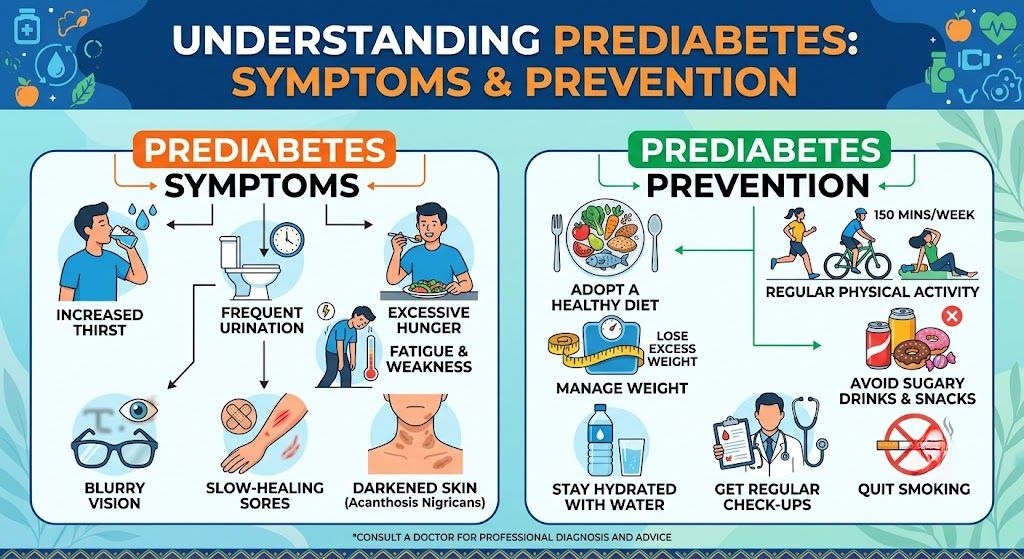
Prediabetes: Symptoms and Prevention Introduction Prediabetes is a common health…
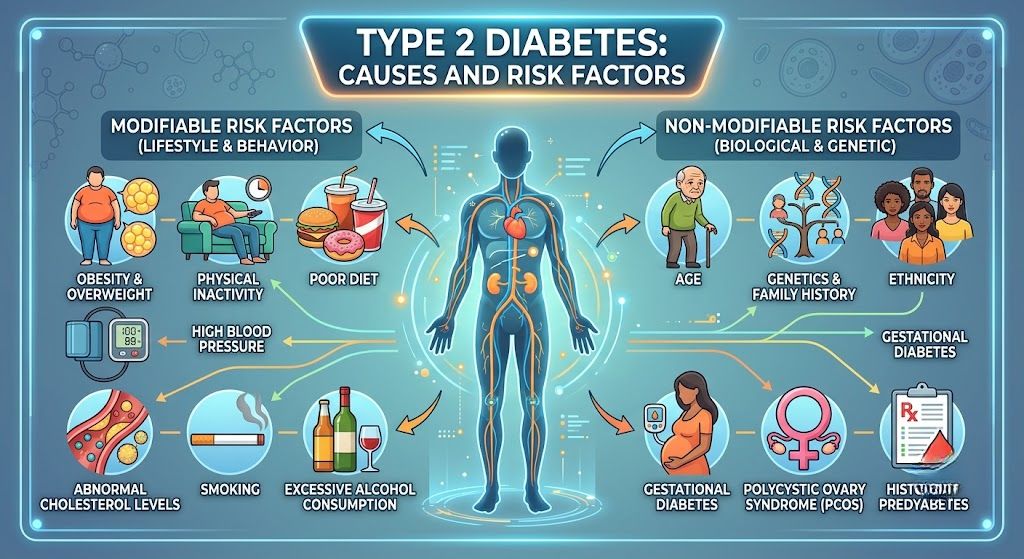
Type 2 Diabetes Causes and Risk Factors Introduction Type…
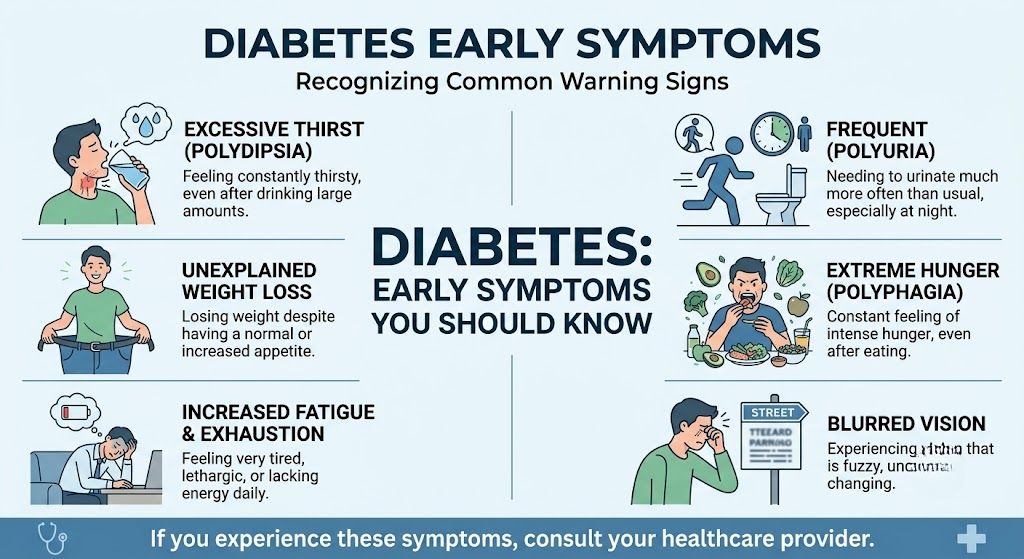
Diabetes Early Symptoms Introduction Diabetes stands as one of the…