
Type 2 diabetes is the most common form of diabetes, accounting for approximately 90–95% of all diabetes cases worldwide. It is a chronic metabolic condition that develops when the body becomes resistant to insulin or when the pancreas cannot produce enough insulin to maintain healthy blood sugar levels. Unlike Type 1 diabetes, which is an autoimmune disease, Type 2 diabetes usually develops gradually over several years and is influenced by a combination of genetic, lifestyle, and environmental factors.
Many people develop Type 2 diabetes without noticing any obvious symptoms during its early stages. As a result, blood sugar levels may remain elevated for years before the condition is diagnosed. Understanding the causes and risk factors is one of the most effective ways to reduce your chances of developing the disease. Healthy eating, regular physical activity, maintaining a healthy weight, and routine health screenings can significantly lower the risk for many individuals.
In this complete guide, you will learn what causes Type 2 diabetes, the major risk factors, early warning signs, prevention strategies, and practical lifestyle habits that support healthy blood sugar levels.
Sustaining a healthy metabolic state relies on a delicate biological balance that controls how energy enters and clears from your bloodstream.
Feature | Type 1 Diabetes | Type 2 Diabetes | Gestational Diabetes |
Primary Driver | Autoimmune destruction of pancreatic beta cells | Cellular insulin resistance & relative insulin deficiency | Placental hormone interference during pregnancy |
Onset Speed | Rapid (weeks to months) | Gradual (years, often asymptomatic initially) | Transient (develops in 2nd or 3rd trimester) |
Primary Risk Factors | Genetic susceptibility, environmental/viral triggers | Obesity, physical inactivity, age, genetic family history | Previous gestational history, maternal age, excess weight |
Reversibility / Remission | Requires lifelong insulin; non-reversible | Remission possible via targeted lifestyle and weight loss | Typically resolves post-delivery; increases lifetime T2D risk |
Type 2 diabetes is a chronic medical condition in which blood glucose levels become higher than normal because the body’s cells resist the effects of insulin, or the pancreas produces insufficient amounts over time.
According to global health descriptions mapped by the World Health Organization (WHO), chronic hyperglycemia over time leads to severe systemic damage. Under normal conditions:
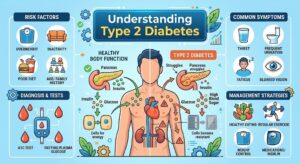
There is no single cause of Type 2 diabetes; rather, it develops through an interplay of multiple metabolic and lifestyle variables.
Insulin resistance is the primary driver of Type 2 diabetes. Excess visceral fat, particularly around abdominal organs, releases inflammatory substances that interfere with cellular insulin signaling.
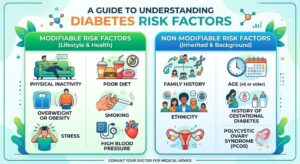
Family history plays an important role. According to research archives at the National Institutes of Health (NIH), having a parent or sibling with Type 2 diabetes substantially increases your baseline genetic susceptibility.
A sedentary lifestyle reduces your skeletal muscles’ natural capacity to clear glucose from the blood, as active muscle contractions allow cells to absorb sugar even without insulin.
Consuming diets heavy in refined carbohydrates, sugary beverages, fried foods, and processed meats promotes systemic inflammation and rapid weight gain.
Risk naturally elevates past age 45, though cases in youth are rising. Co-existing conditions like hypertension and abnormal lipid profiles accelerate vascular and metabolic wear.
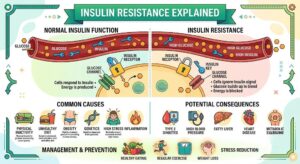
When your circulating blood sugar climbs significantly above safe thresholds, your kidneys are forced to work at a frantic pace to filter and pull out the excess glucose. Because your filtering organs must dilute this heavy sugar load to expel it, they extract vital fluids directly from your surrounding tissues, resulting in an increased frequency of bathroom trips, particularly throughout the night.
The rapid, involuntary loss of systemic fluids via frequent urination triggers an immediate biological emergency alert within your brain’s thirst center. This continuous state of mild dehydration leaves your mouth feeling perpetually dry, forcing an urgent demand for constant hydration. If you want to evaluate the exact volume your physical frame requires to maintain cellular equilibrium without overloading your kidneys, explore our foundational reference on how much water should you drink daily to stabilize your daily fluid metrics.
Because an insulin-resistant body cannot cleanly move glucose through cellular walls, your muscles and organs are left in a state of constant energy starvation. Even if you consume heavy, frequent meals, your cells continue sending desperate hunger signals to your brain, causing intense, cyclical cravings for quick-acting carbohydrates.
When your cells are blocked from burning glucose effectively, your metabolism attempts to adjust. While rapid weight loss is iconic in Type 1, unexplained fluctuations or persistent weight retention can manifest during metabolic shifts in Type 2 diabetes.
Feeling a heavy, unyielding sense of physical exhaustion is an incredibly common indicator of early metabolic distress. Because your system is fundamentally failing to convert the carbohydrates you eat into functional cellular energy, your muscles and brain are left chronically under-fueled, resulting in persistent low energy and cognitive fog.
Heavily elevated blood glucose levels cause a rapid osmotic fluid shift that alters the physical shape and moisture balance of the lenses within your eyes. This temporary structural swelling prevents your eyes from focusing light patterns cleanly, creating sudden bouts of blurred vision that usually stabilize once your internal blood sugar metrics normalize.
High circulating blood sugar stiffens the delicate inner linings of your blood vessels, restricting full-body micro-circulation and slowing down the delivery of fresh oxygen and repair cells to injured areas. Consequently, minor skin abrasions, small blisters, or simple cuts take an unusually long time to heal, which increases your susceptibility to secondary complications.
Elevated blood glucose creates an environment where bacteria and fungi can grow more easily. As a result, people with undiagnosed diabetes may experience recurring skin infections, gum disease, yeast infections, or urinary tract infections. Frequent infections should be evaluated by a healthcare professional.
Prolonged exposure to excessive blood sugar volumes can be directly toxic to your delicate peripheral nerve fibers while simultaneously starving them of oxygen by damaging the tiny capillaries that feed them. This initial stage of diabetic neuropathy typically presents as a distinct “pins and needles” sensation, mild burning, or a loss of touch sensitivity starting in your toes and fingers.
High blood sugar and dehydration can reduce skin moisture, leading to dry, itchy, or flaky skin. Poor circulation may also contribute to skin discomfort. Although dry skin alone does not confirm diabetes, it can be an early warning sign when it occurs alongside other symptoms such as frequent urination, increased thirst, or fatigue.
Healthcare professionals rely on specific, highly accurate laboratory blood panels to identify metabolic dysfunction:
Managing Type 2 diabetes efficiently requires a personalized plan built upon clinical supervision, appropriate medication or insulin therapy when necessary, and structured lifestyle adjustments.
A balanced diet plays a critical role in controlling blood sugar:
To maintain stable, healthy blood sugar patterns, try to minimize foods that trigger rapid glycemic spikes: limit sugary drinks, processed candy, cakes, white bread, refined grains, fried foods, highly processed snacks, and excessive added sugars.

Establishing an organized, predictable pattern for your body’s circadian clock handles a massive portion of the heavy lifting when it comes to maintaining baseline insulin sensitivity.
Waking up in a calm, highly organized manner keeps your early morning spike of cortisol well within healthy boundaries, preventing stress hormones from causing sudden blood sugar releases from your liver. To learn exactly how to construct an intentional morning that supports your metabolic health, balances your endocrine function, and promotes sustained energy all day long, explore our comprehensive master blueprint on establishing the best morning routine for a healthy life to lock in your long-term wellness.
By focusing on whole foods, balanced portion sizes, and regular physical activity, you can naturally support a healthy metabolism and improve insulin sensitivity. Learn more in our guide on How to Boost Metabolism Naturally.
Myth 1: Only People with Excess Body Weight Develop Type 2 Diabetes:
Reality: False. While excess weight is a significant risk factor, lean individuals can also develop Type 2 diabetes due to genetic predisposition, age, or metabolic dysfunction.
Myth 2: Eating Refined Sugar Alone Causes Diabetes:
Reality: False. Sugar consumption contributes to caloric surplus and weight gain, but diabetes stems from a broader matrix of insulin resistance, genetics, and metabolic stress.
Myth 3: Type 2 Diabetes Only Affects Older Adults:
Reality: False. While historically diagnosed in adults over 45, diagnosis rates in teens and young adults have risen steadily over recent years.
Early metabolic shifts can remain completely hidden behind normal outward appearances for years. Relying purely on how you feel or look in a mirror is never a safe substitute for a precise laboratory blood panel.

Q1: What is the main cause of Type 2 diabetes?
The primary driver is cellular insulin resistance combined with the pancreas’s eventual inability to produce sufficient insulin over time.
Q2: Who is most at risk for Type 2 diabetes?
Individuals with a family history of diabetes, excess abdominal weight, low physical activity levels, high blood pressure, or a history of gestational diabetes are at elevated risk.
Q3: Can Type 2 diabetes be prevented or achieve remission?
Many cases can be delayed or prevented through healthy lifestyle habits. Some individuals with Type 2 diabetes may achieve remission through sustained weight loss, healthy eating, regular physical activity, and appropriate medical care.
Q4: Is Type 2 diabetes strictly hereditary?
Genetics create baseline susceptibility, but environmental factors and lifestyle choices heavily dictate whether the condition manifests.
Q5: What are the earliest warning signs?
Increased frequency of urination, persistent unquenchable thirst, unexplained fatigue, blurred vision, and slow-healing cuts are common early signs.

Developing a thorough understanding of Type 2 diabetes causes and risk factors is a deeply empowering, life-saving step toward ensuring your long-term biological longevity and physical independence. Your body’s internal chemistry is highly responsive, and identifying tiny metabolic warnings early gives you a prime opportunity to alter your long-term health trajectory for the better. By keeping your system properly hydrated, choosing whole, nutrient-dense foods, committing to daily movement, and preserving your morning mental peace, you provide your cells with the ideal environment to keep insulin functioning efficiently. Stay observant of your body’s unique signals, prioritize regular checkups, and approach your metabolic wellness with steady consistency.
The clinical symptoms, risk factors, nutritional ideas, and diagnostic frameworks detailed throughout this article are compiled exclusively for general educational and informational purposes. This content must never be treated as a direct substitute for individualized professional medical advice, clinical diagnosis, or specialized pharmaceutical therapies. Always consult directly with a board-certified primary care physician, endocrinologist, or registered dietitian before modifying your diagnostic screening intervals, introducing new exercise routines, or altering your dietary habits, particularly if you are pregnant, manage pre-existing metabolic conditions, or take prescription medications.