
Stress has become a common part of modern life. Whether it comes from heavy work pressure, intense studies, unstable finances, family responsibilities, or personal health concerns, almost everyone experiences mental pressure at some point. While short-term stress can sometimes act as a positive trigger to help people stay focused and motivated, chronic long-term stress can severely affect both your physical and mental health.
Chronic stress often manifests as frequent headaches, sleep disturbances, severe anxiety, chronic fatigue, digestive issues, high blood pressure, and a weakened immune system. Over time, unmanaged stress diminishes your overall quality of life and increases the risk of chronic medical conditions.
The good news is that stress can be managed effectively through simple, natural, and healthy lifestyle choices. You do not need expensive clinical treatments or complicated programs to feel better. Small daily adjustments can calm your mind, improve your mood, and drastically increase your ability to handle life’s challenges. In this complete guide, you will learn practical, proven, and natural ways to reduce stress quickly and improve your overall well-being.
Stress is your body’s natural evolutionary response to challenges, pressure, or demanding situations. When you perceive a threat, your brain immediately triggers the release of stress hormones, primarily cortisol and adrenaline. These hormones prepare your body for action by accelerating your heart rate, raising blood pressure, and tightening alertness.
While this “fight-or-flight” survival response is useful in emergencies, staying in constant high-alert stress mode becomes destructive.
Physical Symptoms | Emotional Symptoms | Behavioral Symptoms |
Frequent headaches | Heightened anxiety and panic | Overeating or emotional binging |
Muscle tension & jaw clenching | Chronic irritability & anger | Poor everyday concentration |
Constant fatigue & low energy | Sudden mood swings | Sleep difficulties & insomnia |
Chronic stomach & digestive issues | Feeling constantly overwhelmed | Social withdrawal from loved ones |
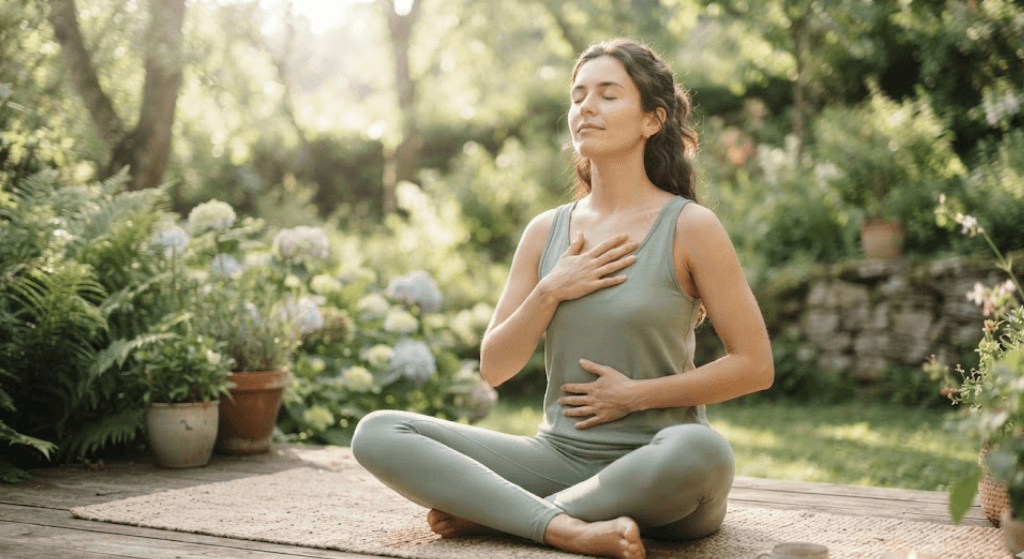
Deep diaphragmatic breathing is the fastest way to manually calm your central nervous system. It signals your brain to lower your heart rate and drop elevated blood pressure within minutes.
Physical activity is a powerful, natural stress reliever. Movement triggers a massive surge of endorphins—your brain’s natural feel-good neurotransmitters—which naturally helps flush out muscle tension.
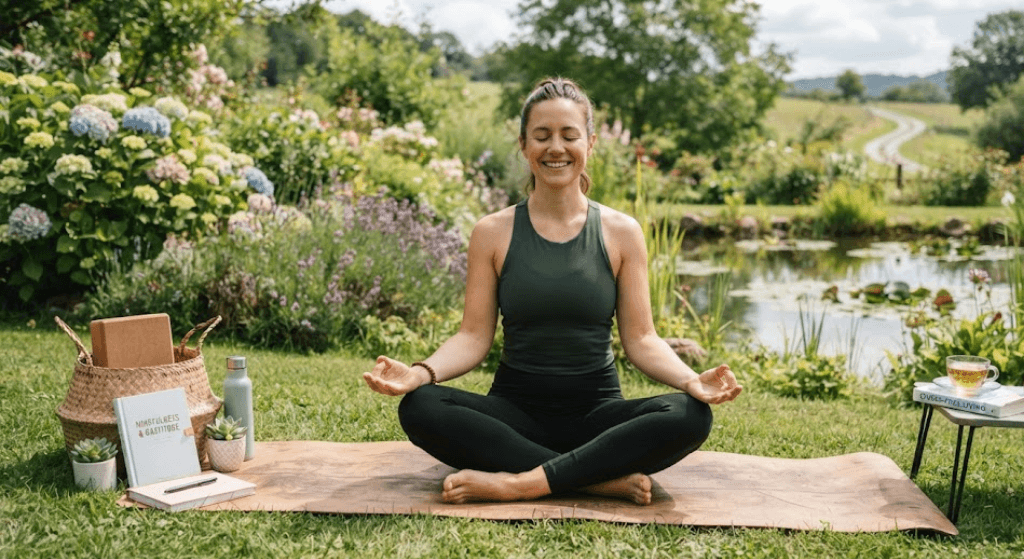
What you put into your body directly affects your mental resilience. Processed junk and high sugar fuel systemic inflammation, making your body more vulnerable to stress spikes. If you want to structure your meals to fuel both physical fitness and mental peace, make sure you look into the Best Diet Plan for Weight Loss for stable nutrition.
Mild dehydration forces your body into physical stress, causing fatigue, brain fog, and sudden irritability. Carrying a reusable bottle and knowing exactly how much water should you drink daily will optimize your cellular recovery and keep your neurological functions balanced under heavy pressure.
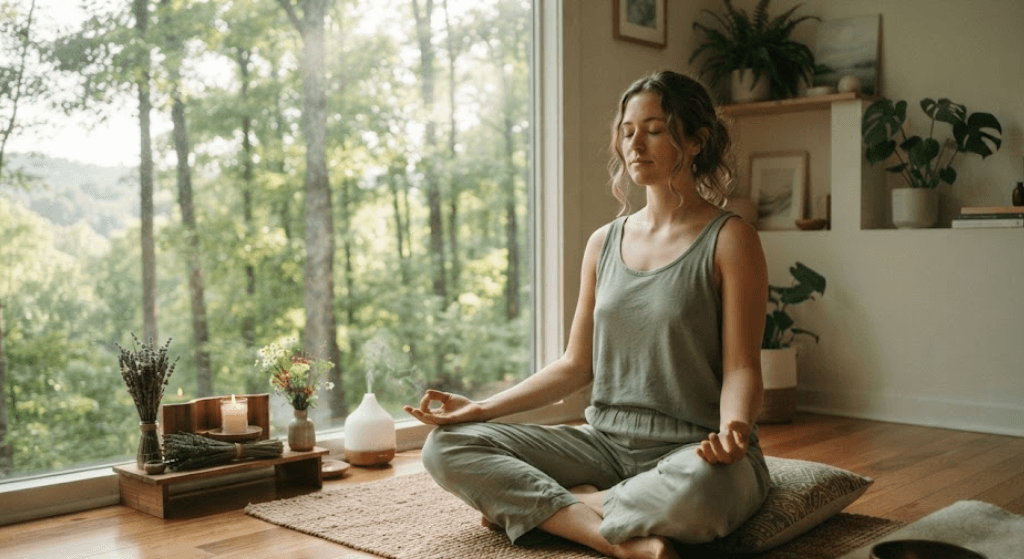
Spending just 10 to 15 minutes in quiet meditation helps slow down racing thoughts, lowers your emotional reactivity, and cultivates lasting inner peace.
Excessive screen time and doom-scrolling flood your brain with artificial dopamine drops and constant comparison anxiety. Take regular digital breaks and focus on real-life grounding activities instead.
Poor time management creates a perpetual sense of rushing, which keeps stress hormones high. Create a realistic daily schedule, set boundaries, and learn to break down massive tasks into smaller, achievable steps. If you want to transform your days completely, establishing a structured, best morning routine for a health life will help you face your morning with absolute calm.
Deep sleep acts as a direct reset button for your brain’s emotional centers. To optimize your sleep quality, maintain a strict sleep schedule, keep your bedroom cool, and avoid digital screens for at least an hour before bedtime. Aim for 7–9 hours of deep sleep per night.
Walking in a local park, hiking, or gardening has a scientific grounding effect that instantly lowers cortisol production and clears mental fatigue.
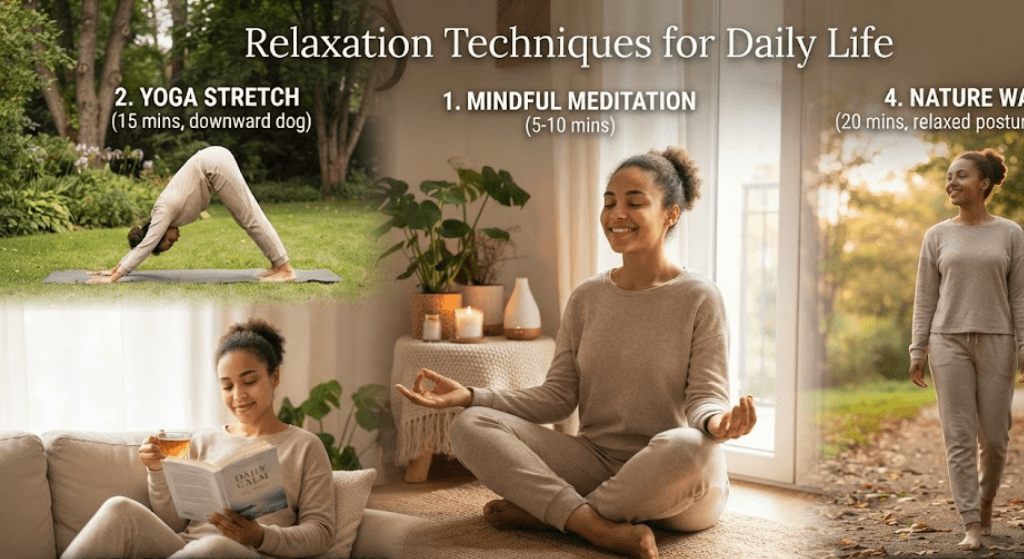
Slowing down your environment with ambient acoustic music, nature sounds, or classical tracks can slow down your pulse, lower anxiety, and induce physical relaxation.
Actively focusing on the positive aspects of your life trains your brain to step away from negativity loops. Try writing down three specific things you are genuinely thankful for every evening.
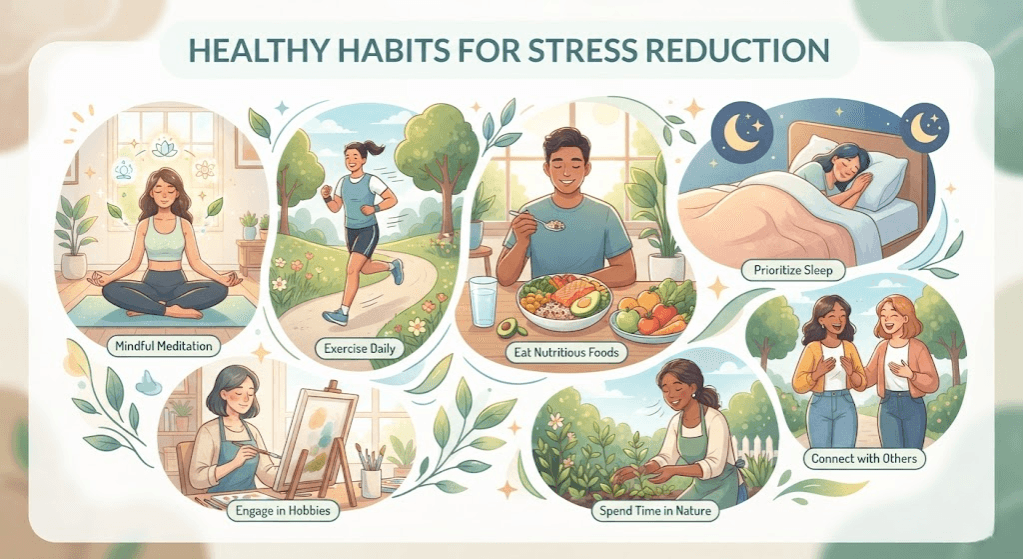
Sharing your emotional burdens with a trusted friend, family member, or licensed counselor provides new perspectives, emotional support, and instant relief.
Q1: What is the single fastest way to reduce stress in an emergency?
Taking slow, deep belly breaths and drinking a cold glass of water is the quickest way to instantly halt a mounting physical stress response.
Q2: Can drinking caffeine make my everyday stress worse?
Yes. Excess caffeine triggers adrenaline spikes, which mimic and intensify physical feelings of anxiety, jitters, and a racing heart.
Q3: How exactly does nature help reduce stress?
Spending time in green spaces reduces nervous system arousal, lowers heart rate, and significantly shifts your brain waves into a deeply relaxed state.
Q4: Is stress completely curable?
Stress is a natural human response that cannot be eliminated entirely. However, by practicing healthy daily coping habits, you can completely prevent it from becoming chronic or harmful.
Learning how to reduce stress quickly and naturally is not about creating a life that is entirely free of challenges, but rather about building the mental and physical resilience needed to navigate those challenges gracefully. By incorporating simple habits like deep breathing, routine movement, proper daily hydration, and healthy boundaries around technology, you give your mind the essential tools it needs to recover. Be patient with yourself, start small, and let daily consistency protect your long-term mental wellness.
The information provided in this article is for educational and informational purposes only and should not be used as a substitute for professional medical advice, diagnosis, or clinical treatment. Always consult with a qualified doctor, psychiatrist, or licensed healthcare provider if you are experiencing severe, unmanageable stress, chronic anxiety, or depression.