Weight loss is one of the most common health goals worldwide. Millions of people try different diets every year, hoping to lose excess weight and improve their overall health. However, many diet plans promise quick results but are difficult to follow for the long term. The key to successful weight loss is not starving yourself or following extreme restrictions. Instead, it involves creating healthy eating habits that you can maintain consistently.
A balanced diet provides your body with essential nutrients while helping you reduce excess calories. When combined with proper hydration, adequate sleep, and regular physical activity, a healthy diet can help you achieve sustainable weight loss. The good news is that you do not need expensive supplements or complicated meal plans to see results.
In this complete guide, you will learn the best diet plan for weight loss, foods to eat, foods to avoid, meal timing strategies, healthy habits, and practical tips that can help you lose weight naturally and safely.
Understanding Weight Loss
Weight loss happens when your body burns more calories than it consumes. This is known as a calorie deficit.
The Simple Formula:
Calories consumed < Calories burned = Weight loss
Although this sounds simple, the quality of your food choices plays a major role in achieving healthy and lasting results.
Principles of a Healthy Weight Loss Diet
Foods to Eat for Weight Loss
1. Leafy Green Vegetables
Vegetables are exceptionally low in calories and high in essential nutrients.
2. Lean Protein Sources
Protein is one of the most important nutrients for weight loss and metabolic health.
3. Fresh Fruits
Fruits provide natural sweetness along with vitamins, water content, and dietary fiber. Incorporating them into your daily snacks is an excellent way to enjoy the best fruits for skin glow naturally while shedding pounds.
Best Options:
4. Whole Grains
Whole grains provide steady energy and prevent sudden blood sugar crashes.
Examples:
5. Healthy Fats
Healthy fats support hormone balance and keep you satisfied after eating.
Sources:
Foods to Avoid or Limit
Deep-Fried Items:
French fries, fried chicken, and heavy commercial snacks.
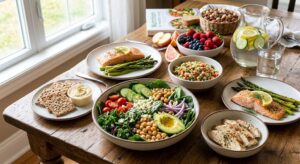
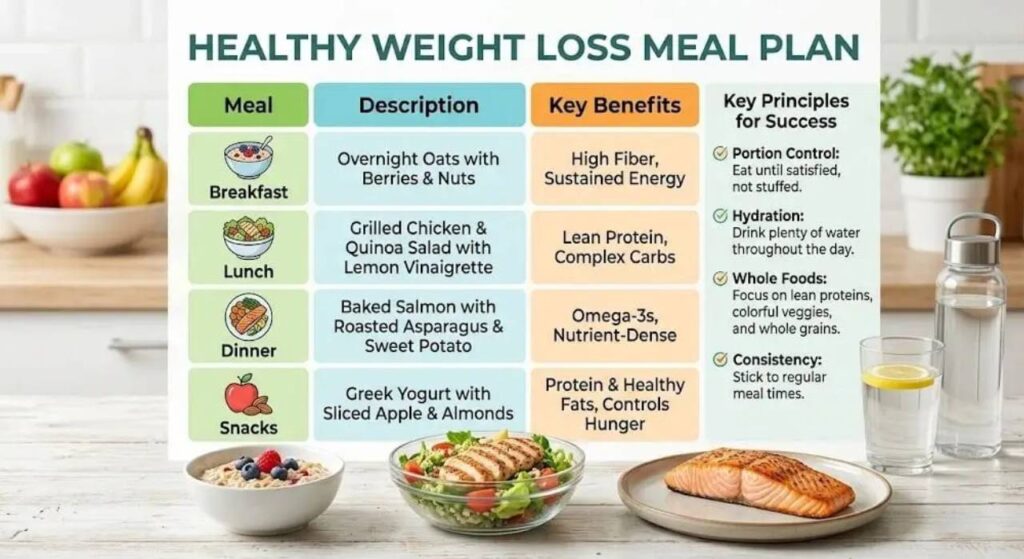
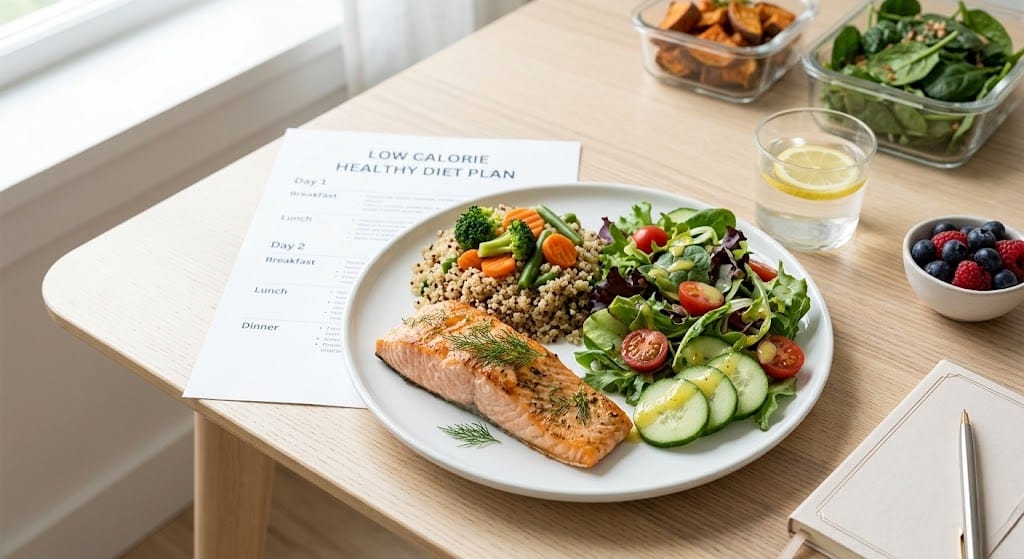
Sample Weight Loss Diet Plan
The Roles of Protein, Fiber, and Hydration

Healthy Eating Habits to Build
Common Weight Loss Mistakes

FAQ Section
Q1: What is the best diet for weight loss?
A balanced diet rich in vegetables, lean protein, whole grains, and healthy fats that you can stick to consistently.
Q2: How much weight can I lose in a month safely?
A healthy and realistic weight loss pace is typically around 2–4 kilograms per month.
Q3: Should I avoid carbohydrates completely?
No. Healthy complex carbohydrates like oats, quinoa, and whole grains provide essential fiber and energy.
Q4: Is breakfast important for weight loss?
Yes, a nutritious breakfast rich in protein and fiber controls your appetite and boosts morning energy.
Q5: How does drinking water help you lose weight? Water boosts metabolism temporarily, clears digestive pathways, and keeps you from confusing thirst with hunger.
Conclusion
Achieving your ideal weight is not about following strict short-term restrictions, but rather about adopting permanent, healthy lifestyle shifts. By choosing nutrient-dense whole foods, controlling your portions, staying active, and keeping up with hydration, you give your body the tools it needs to burn fat naturally. True consistency and patience will yield long-term health benefits that go far beyond just looking good on the scale.
Disclaimer
The information provided in this article is for educational purposes only and should not be taken as professional medical advice. Always consult with a healthcare professional, doctor, or registered dietitian before starting a new diet plan or making significant adjustments to your eating routines.