
Belly fat is one of the most common health concerns for people around the world. Not only can excess abdominal fat affect physical appearance, but it can also significantly increase the risk of serious health conditions such as heart disease, type 2 diabetes, high blood pressure, and various metabolic disorders. Many people spend hours exercising and trying different diets, yet they still struggle to lose stubborn belly fat because they continue eating foods that contribute to fat accumulation.
The truth is that certain foods can significantly slow down weight loss progress and actively promote fat storage around the abdomen. These foods are often high in added sugars, unhealthy trans fats, refined carbohydrates, and empty calories. While occasional treats are acceptable, regularly consuming these foods can make it incredibly difficult to achieve a healthy weight and maintain long-term results.
Understanding which foods contribute to belly fat is the first step toward making healthier choices. In this complete guide, you will learn about the most common foods to avoid, healthier alternatives, and practical strategies to support fat loss naturally.
Understanding Belly Fat
Belly fat is not just the visible fat layer you can pinch around your waist. It is actually divided into two main types:
Reducing both types of belly fat requires a comprehensive combination of healthy eating, routine physical activity, quality sleep, and consistent stress management.
Why Diet Matters for Belly Fat Loss
Many people believe that heavy exercise alone can eliminate abdominal fat. However, targeted internal nutrition plays the most crucial role. If you want to structure your meals correctly to see faster results, you can pair this knowledge with our comprehensive Best Diet Plan for Weight Loss.
Benefits of a Targeted Fat-Loss Diet:
Top Foods to Avoid for Belly Fat
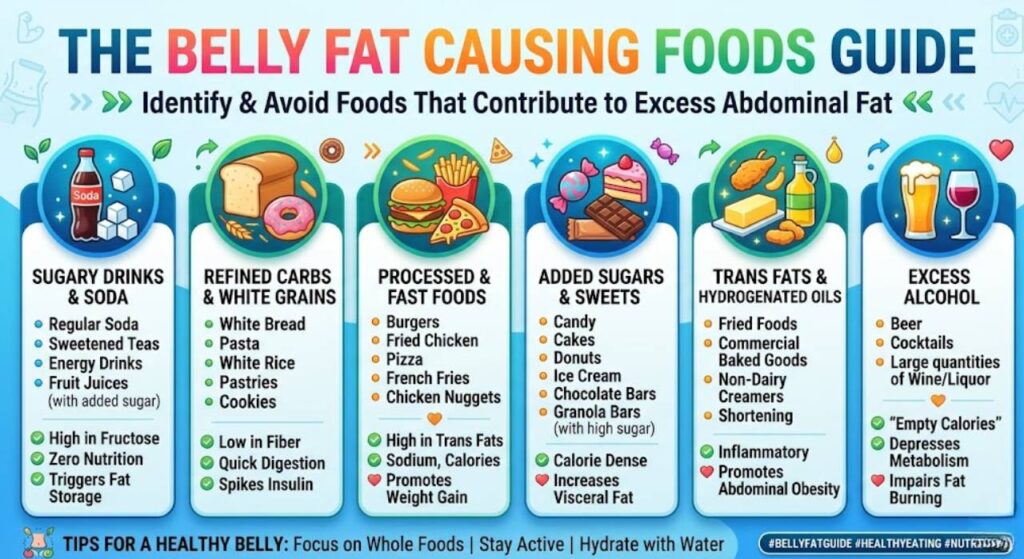
1. Sugary Soft Drinks
Sodas and carbonated beverages are among the single biggest contributors to abdominal fat. They contain massive amounts of high-fructose corn syrup and empty calories. Liquid calories are highly problematic because they do not trigger the same fullness hormones as solid food, leading to rapid overeating.
Better Alternatives:
2. Packaged Fruit Juices
Many commercial packaged juices appear healthy but are stripped of their natural fiber and loaded with added processed sugar, causing sudden blood sugar spikes.
3. White Bread and Refined Flour
White bread is made from heavily refined flour that lacks natural fiber and essential nutrients. It digests rapidly, spikes your insulin, and quickly triggers intense hunger pangs later.
Better Alternatives:
4. Commercial Pastries, Cakes, and Candies
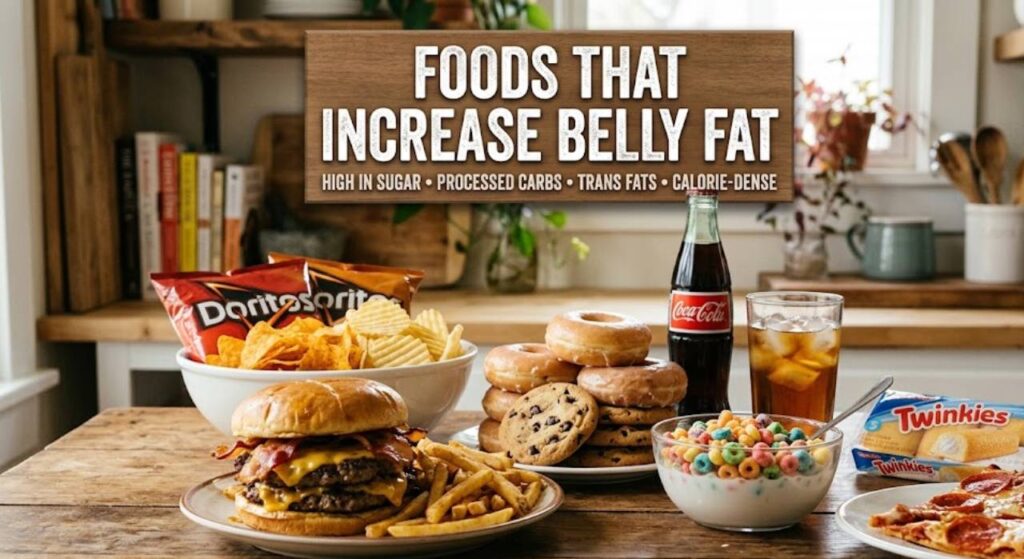
Bakery items, donuts, cookies, and candy are dense combinations of refined sugar, white flour, and trans fats. They offer zero nutritional value and directly increase deep visceral fat storage.
5. Fast Food and Deep-Fried Snacks
Items like burgers, French fries, fried chicken, and potato chips absorb massive amounts of processed oils during cooking. They are incredibly high in trans fats, sodium, and total calories, which stall your body’s fat-burning mechanisms.
Better Alternatives:
6. Alcohol
Excessive alcohol intake can significantly contribute to a “beer belly.” Alcohol contains high empty calories, increases your appetite, and temporarily shuts down your liver’s ability to burn stored body fat because it prioritizes processing the alcohol.

7. Sweetened Coffee and Energy Drinks
Fancy commercial coffee beverages mixed with sweet syrups, heavy creams, and whipped cream can easily turn a healthy morning drink into a high-calorie dessert. Similarly, energy drinks are loaded with artificial stimulants and hidden sugars.
Healthy Foods and Habits That Support Fat Loss
Replacing unhealthy options with whole foods is just as important as avoiding bad items. Focus your daily meals on high-fiber foods and clean macronutrients.
The Power of Protein and Fiber
Crucial Hydration
Drinking plenty of fluids helps control unexpected cravings and improves overall metabolic functions. Keeping track of exactly how much water should you drink daily will ensure your body can easily flush out waste products and keep your digestion running at peak performance.
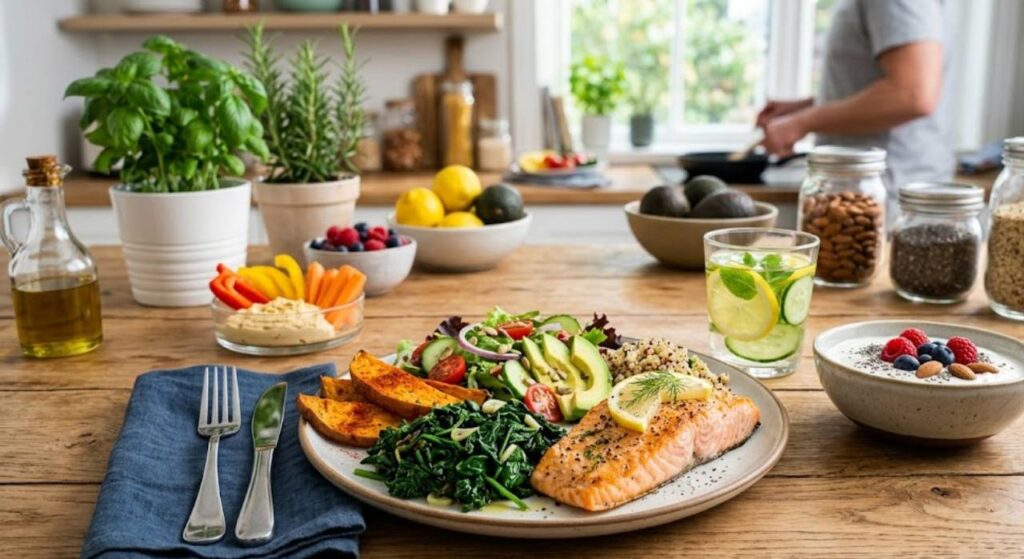
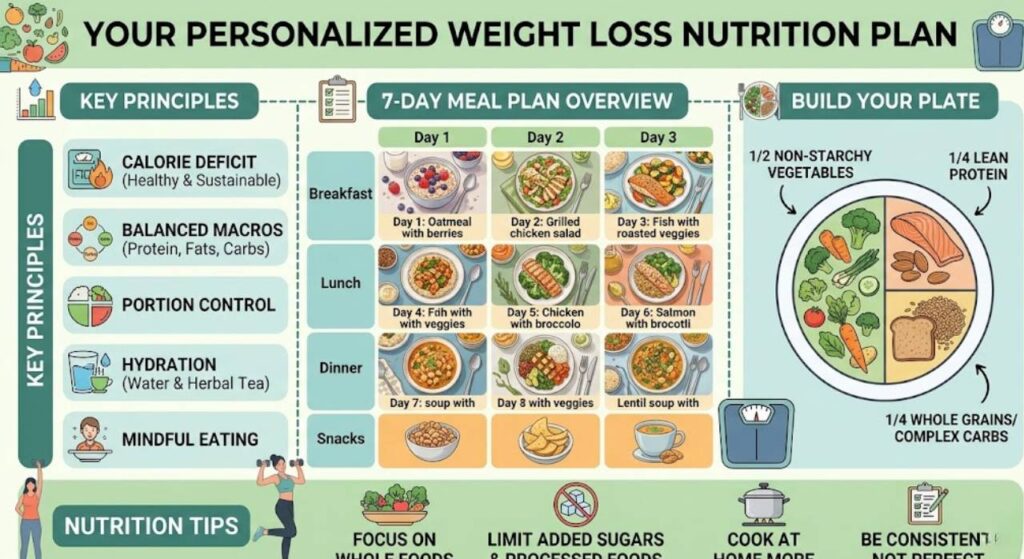
Sample Belly Fat-Friendly Meal Plan
Meal Time | Healthy Options |
Breakfast | Oatmeal with berries, or boiled eggs with whole wheat toast |
Mid-Morning Snack | A whole apple or a small handful of raw almonds |
Lunch | Grilled chicken breast or lentils served with brown rice and mixed vegetables |
Evening Snack | A warm cup of unsweetened green tea with a small fruit bowl |
Dinner | Baked fish or grilled lean tofu paired with a large green salad or clear vegetable soup |
Lifestyle Tips to Accelerate Progress
FAQ Section
Q1: Which food causes the most belly fat?
Foods containing high amounts of added sugars, refined corn syrup, and trans fats (like soft drinks, deep-fried fast foods, and commercial sweets) are the primary causes.
Q2: Can I lose belly fat without exercising?
Yes, improving your daily nutritional habits can absolutely reduce belly fat, though adding regular physical movement will speed up and improve your structural results.
Q3: Are all carbohydrates bad for belly fat?
No. Refined carbs (white bread, pastries) promote fat storage, but complex carbohydrates (oats, brown rice, quinoa, and vegetables) provide essential fiber and steady metabolic energy.
Q4: How long does it take to see visible fat loss?
Real fat loss takes time and depends entirely on consistency. Most individuals see noticeable drops in bloating and abdominal waist measurements within a few weeks of a clean diet.
Conclusion
Losing stubborn belly fat is not about starving yourself or following unrealistic fad diets; it requires a permanent, mindful adjustment to your daily nutrition. By systematically removing sugary drinks, processed fast foods, and refined carbohydrates, and replacing them with lean proteins, rich fiber, and proper hydration, you give your body the exact tools it needs to melt away stubborn visceral fat. Patience and daily consistency are the keys to a healthier, leaner lifestyle.
Disclaimer
The information provided in this article is for educational purposes only and should not be taken as professional medical advice. Always consult with a qualified healthcare provider, doctor, or certified dietitian before making major adjustments to your diet or lifestyle, especially if you manage underlying health conditions.