
Intermittent fasting has become one of the most popular health and weight loss trends in recent years. Millions of people around the world are following this eating pattern to improve their health, lose weight, and boost energy levels naturally. Unlike traditional diets that focus mainly on what you eat, intermittent fasting focuses on when you eat. This method involves alternating between periods of eating and fasting, giving the body time to rest and recover.
Many health experts believe intermittent fasting may help improve metabolism, support fat burning, control blood sugar levels, and even improve brain function. It is simple, flexible, and does not always require strict calorie counting, which makes it highly attractive for beginners. However, while intermittent fasting offers several health benefits, it may not be suitable for everyone. Some people may experience side effects or risks if fasting is done incorrectly or too aggressively.
In this complete beginner’s guide, you will learn what intermittent fasting is, how it works, its major health benefits, possible risks, popular fasting methods, and practical tips to follow it safely.
What Is Intermittent Fasting?
Intermittent fasting is an eating pattern that alternates between scheduled eating periods and fasting periods. Instead of focusing only on restricting specific food choices, it regulates the timing of your meals.
Common Intermittent Fasting Methods:
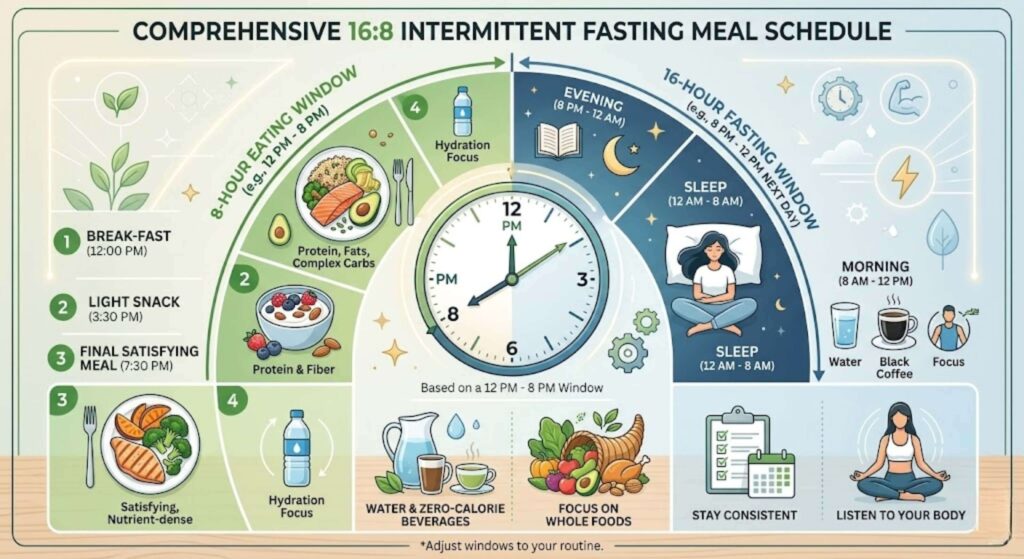
How Intermittent Fasting Works
When you eat frequently throughout the day, your body constantly uses food as its main energy source. During extended fasting windows, your insulin levels drop significantly. This drop in insulin signals the body to start burning stored fat for energy instead of relying on continuous glucose.
Main Cellular Changes During Fasting:
Top 8 Benefits of Intermittent Fasting
1. Supports Weight Loss
One of the biggest reasons people try intermittent fasting is weight loss. It provides a structured approach that can easily be combined with the Best Diet Plan for Weight Loss to achieve long-term, sustainable fitness goals.
How It Helps:
Many people naturally eat fewer calories because they have a shorter eating window.
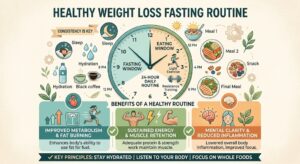
Improves Insulin Sensitivity
Intermittent fasting may help regulate blood sugar levels and reduce insulin resistance. This lowers blood sugar spikes and supports long-term metabolic health, which can reduce the risk of developing Type 2 diabetes.
Boosts Fat Burning
During fasting, the body depletes its immediate sugar stores and actively starts using stubborn stored fat as its primary fuel source, which helps reduce deep belly fat.

Supports Brain Health
Research suggests that fasting triggers metabolic shifts that may improve brain function.
It can lead to better daily concentration, improved memory, reduced brain inflammation, and better protection of brain cells.
Improves Heart Health
Intermittent fasting may improve several key cardiovascular health markers. It supports healthy cholesterol levels, reduces systemic inflammation, and may help lower high blood pressure.
May Reduce Systemic Inflammation
Chronic inflammation is linked to many major diseases. Fasting helps reduce inflammatory markers in the body, supporting overall immune health and cellular wellness.
Supports Cellular Repair (Autophagy)
During deep fasting windows, the body activates a cellular clean-up process called autophagy. This is a natural process where damaged, old cells are broken down, removed, and recycled, supporting healthy aging.
Simplifies Meal Planning
Intermittent fasting reduces the need to constantly prepare and clean up after frequent meals and snacks throughout the day. It creates a simpler daily routine, requires less meal prep, and makes calorie control effortless.
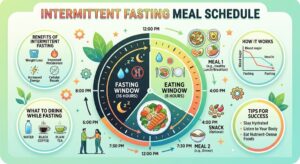
Risks and Side Effects of Intermittent Fasting
Although intermittent fasting has many proven benefits, it may not be suitable for everyone, especially in the beginning.
Who Should Avoid Intermittent Fasting?
Certain individuals should completely avoid fasting unless specifically advised by a medical doctor:
Best Foods to Eat and Limit
To get the absolute best results from your fasting routine, focusing on high-quality nutrition is essential. Eating healthily also helps support your skin texture from within; for instance, you can combine this routine with the best fruits for skin glow naturally to stay radiant while losing weight.
Recommended Foods:
Foods to Limit:
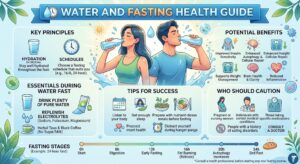
Hydration During Fasting
Staying hydrated is absolutely critical during your fasting hours. Drinking plenty of fluids keeps headaches away and controls empty hunger pangs. Knowing how much water should you drink daily will help you balance your fluid intake perfectly during fasting periods.
Allowed Drinks During a Fast:
Practical Tips for Beginners
Intermittent Fasting and Exercise
Many people successfully combine fasting with a regular workout routine. To do this safely, start with light exercise during your fasting window, stay on top of your hydration, and ensure you eat enough protein during your eating window to support muscle recovery.
Common Myths About Intermittent Fasting
Myth 1: Fasting Means Starvation:
Starvation is uncontrolled, involuntary food deprivation. Intermittent fasting is a structured, controlled, and intentional eating schedule.
Myth 2: You Lose Muscle Mass Quickly:
As long as your overall protein intake is sufficient and you engage in regular resistance training, fasting protects lean muscle mass.
Myth 3: Everyone Must Fast for Long Hours:
There is no one-size-fits-all model. Shorter fasting windows can be just as beneficial for beginners as longer protocols.
FAQ Section
Q1: Is intermittent fasting safe?
Yes, it is generally very safe for healthy adults when done properly, with adequate hydration and balanced nutrition.
Q2: Can intermittent fasting help with weight loss?
Yes, by reducing your eating time frame, it naturally helps manage calorie intake and promotes fat burning.
Q3: Can I drink water during fasting hours? Yes. Plain water, black coffee, and tea without any additives or sugar are highly recommended.
Q4: How long does it take to see weight loss results?
Many individuals notice visible changes in their energy, bloating, and weight within a few weeks of consistent fasting.
Q5: Which method is best for a beginner?
The 12/12 or 16/8 method is considered the easiest and most sustainable way for a beginner to start.
Conclusion
Intermittent fasting is not a restrictive short-term diet, but rather a flexible lifestyle shift that restructures how you approach your daily meals. By giving your digestive system a dedicated break, you unlock your body’s natural ability to burn fat, repair cells, and stabilize energy levels. Success with intermittent fasting relies entirely on consistency, proper hydration, and filling your eating window with wholesome, nutrient-dense foods.
Disclaimer
The information provided in this article is for educational purposes only and should not be taken as professional medical advice. Always consult with a healthcare provider or a registered dietitian before starting an intermittent fasting protocol, especially if you have an underlying health condition.