
High blood pressure, clinically referred to as hypertension, is one of the most widespread chronic health conditions affecting millions of individuals globally. It is frequently labeled by medical experts as the “silent killer” because it typically develops over many years without presenting any noticeable physical symptoms, all while quietly straining the heart, damaging blood vessels, and placing pressure on the kidneys, brain, and other vital organs. If left completely unmanaged or undetected, high blood pressure can drastically elevate the risk of experiencing heart attacks, unexpected strokes, kidney failure, and other complex cardiovascular issues.
The encouraging news is that a substantial number of high blood pressure cases can be significantly improved, stabilized, and managed through conscious, everyday lifestyle adjustments. Consuming a nutrient-dense balanced diet, keeping your body physically active, maintaining an optimal weight matrix, practicing mental stress reduction, and dropping unhealthy habits can all contribute heavily toward establishing healthy, stable blood pressure readings. While some individuals will always require specialized prescription medications under the care of a physician, natural holistic lifestyle improvements remain an absolute cornerstone of long-term cardiovascular health.
In this comprehensive guide, you will learn exactly how blood pressure operates within your vascular system, explore the underlying causes of hypertension, discover natural science-backed ways to support optimal circulatory performance, identify key foods to eat versus avoid, and unlock practical daily habits that promote a highly resilient heart.
Your blood pressure reading measures the exact amount of force your circulating blood exerts against the structural walls of your arteries as your heart continually pumps fuel around your body.
Vascular Driver | Direct Biological Impact on Arteries | Primary Dietary Solution | Daily Practice Level |
Excessive Sodium | Retains excess fluid in the blood, increasing arterial volume | Cut out packaged snacks; cook with pure herbs and spices | Keep below 2,300 mg per day |
Mineral Deficiency | Causes blood vessels to constrict and tighten up | Load your plate with potassium-dense fresh foods | Consume abundance in every meal |
Physical Inactivity | Weakens heart muscle walls, forcing them to pump harder | Engage in continuous low-impact cardiovascular movement | Move for at least 30 minutes daily |
Limiting your sodium intake is one of the single fastest ways to lower fluid volume inside your bloodstream, which instantly takes the pressure off your artery walls. Focus your meals around fresh, whole ingredients rather than highly processed boxed items, and flavor your dishes using natural herbs, garlic, and citrus juices instead of the table salt shaker.
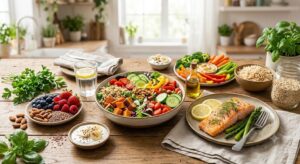
Potassium is a vital mineral that works as a natural counterbalance to sodium. It signals your kidneys to flush excess salt out through your urine while actively relaxing the smooth muscle walls of your blood vessels. Excellent natural sources include sweet potatoes, fresh avocados, bananas, and white beans.
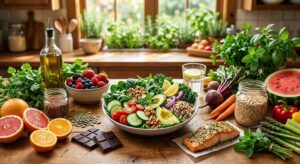
Plant-based whole foods are packed with cellular antioxidants, polyphenols, and dietary fibers that keep your circulatory pathways clean. Loading your meals with fresh berries, oranges, broccoli, and tomatoes supports overall endothelial health, keeping your blood vessels highly flexible.
Engaging in regular physical movement trains your heart muscle to pump more blood with significantly less effort, directly lowering your resting arterial strain. If you want to see how a simple, entirely free, and low-impact cardiovascular habit can significantly fortify your blood vessels, optimize cholesterol parameters, and lower baseline blood pressure over time, explore our expert guide on the benefits of walking 30 minutes daily to upgrade your daily movement plan.

Carrying excess weight forces your heart to work substantially harder around the clock to move blood through dense tissues. Dropping even a small percentage of excess body fat reduces the baseline workload on your cardiovascular system, drastically improving your daily circulatory efficiency and energy metrics.
When you sleep, your blood pressure naturally drops as part of your body’s restorative cycle. Chronic sleep deprivation means your body spends too much time in an elevated pressure state, which disrupts your hormonal balance. Secure seven to nine hours of quality rest nightly to keep your vascular recovery systems running perfectly.
When your body experiences dehydration, your blood vessels can mechanically constrict to conserve fluid, which instantly drives up your internal pressure readings. Drinking clean, pure water supports smooth, easy circulation. If you want to figure out the exact optimal amount of water your specific body framework requires to keep your filtration systems running without strain, read our definitive analysis on how much water should you drink daily to build a better hydration routine.

Experiencing chronic psychological stress keeps your body trapped in a perpetual flight-or-fight response, pumping out cortisol and adrenaline that cause your blood vessels to narrow. Practicing daily deep breathing, mindfulness, or quiet reading helps slow your pulse and gives your vascular system a chance to relax.

Excess processed sugars can drive up insulin levels, which in turn activates your sympathetic nervous system and raises blood pressure. Swapping out sugary sodas, candies, and refined flour desserts for fresh whole fruits stabilizes your systemic health.
Every single cigarette you smoke causes an immediate, temporary spike in your blood pressure while permanently damaging the delicate cellular linings of your artery walls. Stopping tobacco use entirely allows your blood vessels to regain their natural elasticity.
True long-term vascular health is never built on isolated habits; it requires creating a cohesive daily wellness architecture. For example, pairing a low-sodium diet with an intentional, calm morning routine shields your body from the sudden early cortisol spikes that raise blood pressure the moment you wake up. To discover how to craft a peaceful, highly organized morning that supports your physical health and stabilizes your heart rate before a busy workday, look through our detailed guide on setting up the best morning routine for a health life to anchor your wellness goals.
Myth 1: If My High Blood Pressure Was Dangerous, I Would Feel It:
False. Hypertension is called the silent killer precisely because you can feel completely fine while your blood vessels are actively sustaining permanent structural wear and tear.
Myth 2: Using Sea Salt or Pink Himalayan Salt Is Completely Safe:
False. Chemically, pink salt and sea salt contain roughly the exact same amount of sodium chloride as basic table salt. They will raise your blood pressure just as quickly if consumed in excess.
Myth 3: Once You Start Blood Pressure Medication, You Can Eat Anything:
False. Pharmaceutical interventions work best when combined with clean eating. Relying solely on medication while eating a poor diet forces your body into a continuous chemical battle, which limits long-term recovery.
Q1: How quickly can lifestyle changes produce a drop in blood pressure?
Reducing your dietary sodium intake and increasing potassium can show highly encouraging drops in your resting blood pressure metrics in as little as one to two weeks of strict consistency.
Q2: Is black coffee dangerous if you have elevated blood pressure?
Caffeine can cause a temporary, short-term rise in blood pressure, but for regular coffee drinkers, this effect is typically minimal. However, avoid consuming heavy caffeine right before physical exertion.
Q3: Can taking a warm bath or meditating lower blood pressure instantly?
Yes, relaxation techniques like slow deep breathing and warm baths stimulate the parasympathetic nervous system, which temporarily dilates your blood vessels and lowers your numbers within minutes.
Q4: Why are processed meats so harmful for individuals with hypertension?
Processed meats like deli slices, sausages, and bacon are loaded with massive amounts of sodium preservatives and chemical nitrates, which simultaneously increase blood volume and stiffen your arteries.
Learning how to control blood pressure naturally is a highly effective, empowering approach to securing your long-term physical longevity. Managing your circulatory system does not require you to follow an overwhelming, stress-inducing lifestyle plan; it is about consistently making simple, unrefined adjustments to your daily routine. By reducing processed sodium, filling your plate with fresh fruits and leafy greens, hydrating cleanly, and moving your body with joyful purpose, you provide your cardiovascular system with the exact environment it needs to thrive. Maintain your habits with patience, stay consistent with your tracking, and protect your heart with confidence.
The nutritional pathways, exercise strategies, and lifestyle adjustments shared throughout this article are intended strictly for educational and informational purposes. This content should never be utilized as a substitute for professional clinical medical advice, independent diagnosis, or targeted pharmaceutical treatment for hypertension. Always speak directly with your primary healthcare provider or a board-certified cardiologist before altering your medication dosages, introducing new physical workouts, or changing your diet, especially if you manage severe chronic hypertension or take prescribed cardiovascular medications.