
Living a long life is not merely about accumulating a high number of years on a calendar; it is fundamentally about expanding your healthspan—the period of life spent remaining functional, full of vibrant energy, cognitively sharp, and physically independent. While your inherited genetic blueprint undoubtedly sets a certain biological baseline, extensive clinical research consistently demonstrates that your everyday lifestyle choices wield a much greater influence over your true life expectancy. Making conscious, proactive choices to nourish your cells, engage in daily movement, rest deeply, and drop destructive behaviors can drastically minimize the structural risk of developing chronic lifestyle disorders while fundamentally elevating your everyday quality of life.
A common misconception in modern wellness culture is that achieving sustainable longevity requires access to expensive designer superfoods, luxury wellness products, or overly demanding athletic training regimens. In absolute reality, a resilient biological framework is built from the ground up through microscopic, compound daily habits that seamlessly merge into your permanent lifestyle. Drinking sufficient water, eating clean meals, staying structurally active, keeping your body composition well balanced, and maintaining deep human connections all work in perfect harmony to support both physical longevity and neurological resilience.
In this complete guide, you will uncover the primary lifestyle pillars that dictate human longevity, understand the biological mechanics of healthy cellular aging, and receive a clear, actionable roadmap to build an optimized daily routine designed to sustain long-term vitality.
Sustaining systemic physical vitality over decades requires optimizing the internal environments that directly govern cell renewal and protective immunity.
Longevity Defense Pillar | Primary Biological Mechanism | Top Nutrient or Action Solution | Optimal Lifestyle Metric |
Nutritional Density | Delivers essential trace antioxidants to neutralize free radical damage | Fresh blueberries, dark spinach, and pure olive oil | Fill your meals with colorful whole produce |
Follicle and Organ Hydration | Sustains optimal blood volume metrics for seamless cellular transport | Drink pure, clean water regularly throughout your day | Maintain consistent, clear hydration levels |
Cardiovascular Resilience | Lowers resting heart rates and improves full-body blood circulation | Walk briskly or engage in low-impact swimming | Aim for 150 minutes of active movement weekly |
Your physical system relies heavily on continuous fluid intake to filter metabolic waste through your kidneys, keep your joints lubricated, protect your delicate cellular linings, and ensure your blood carries oxygen cleanly. If you want to identify the exact, personalized baseline fluid volume your specific height and weight matrix requires to keep your organs operating smoothly, read our comprehensive master analysis on how much water should you drink daily to perfect your fluid schedule.
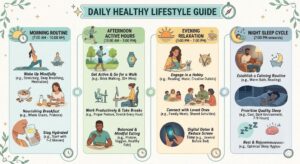
Nourish your digestive tract and provide your cells with premium fuel by eating a balanced diet rich in organic fruits, fresh vegetables, unrefined whole grains, clean lean proteins, and healthy monounsaturated fats. A diverse, colorful plate ensures you absorb a wide range of natural vitamins and trace minerals that shield your internal organs from premature aging.

Regular physical activity is an absolute requirement to maintain muscular density, support skeletal joint mobility, and protect your cardiovascular network over time. Focus on incorporating practical, enjoyable movement like cycling, swimming, yoga, or basic strength training into your week to keep your metabolic health strong.
You do not need to perform extreme, exhausting workouts to drastically upgrade your long-term heart health and lower systemic inflammatory markers. If you want to integrate an incredibly simple, zero-cost cardiovascular habit that naturally balances your blood pressure while enhancing cognitive function, read our practical guide on the benefits of walking 30 minutes daily to add active movement to your life.

Deep, uninterrupted sleep is the primary biological phase where your nervous system actively clears out metabolic waste and repairs micro-cellular damage. Chronic sleep deprivation strains your heart, weakens your baseline immune defenses, and disrupts crucial metabolic hormones, making quality rest a non-negotiable longevity pillar.
Sustaining unmanaged mental stress forces your body to keep blood pressure and cortisol levels chronically elevated. Over time, high cortisol levels actively wear down your immune cells and accelerate arterial aging. Dedicate quiet time every single day to calming practices like deep breathing, meditation, reading, or slow walks in nature.

How you choose to anchor the initial hours of your day sets the tone for your systemic nervous balance and metabolic efficiency until you go to bed. To learn exactly how to build a peaceful, highly organized morning that keeps stress hormones low and energy levels high, explore our complete master blueprint on establishing the best morning routine for a healthy life to secure your longevity goals.
Carrying an excessive volume of visceral body fat places a constant mechanical strain on your bones and joints while trapping your internal organs in a state of low-grade chronic inflammation. By focusing on whole foods, controlled portion sizes, and regular physical activity, you can naturally improve your metabolism and maintain a healthy weight without resorting to dangerous crash diets. Learn more in our guide on How to Boost Metabolism Naturally.
Smoking causes rapid, long-term damage to your respiratory tissues, reduces your blood’s oxygen-carrying capacity, and dramatically increases your risk for cardiovascular disorders. Committing to a completely tobacco-free lifestyle allows your lungs to recover and instantly improves your systemic circulation, regardless of your current age.
Heavy, habitual alcohol use acts as a direct toxin to your liver cells, disrupts the delicate balance of your gut microbiome, and interferes with your brain’s deep sleep cycles. Restricting alcohol consumption ensures your body can focus its operational metabolic energy fully on cellular repair and natural toxin filtration.
Human beings are biologically wired for community. Maintaining healthy, positive social connections with family members, supportive friends, or local community circles reduces feelings of isolation, stabilizes your nervous system, and has been scientifically linked to a longer, happier life.
Your brain requires regular mental exercise to preserve its neural pathways and maintain cognitive reserves as you age. Keep your mind actively challenged by reading challenging books, picking up fresh creative skills, solving complex strategy puzzles, or learning a new language.
Consuming plenty of fiber-rich foods like whole oats, beans, lentils, and fresh root vegetables is essential for maintaining optimal digestion and feeding your beneficial gut bacteria. A fiber-rich diet also assists in stabilizing blood sugar spikes and managing healthy cholesterol profiles.
Exposing your body to moderate natural sunlight helps your skin naturally synthesize vitamin D, which is highly critical for bone density and robust immune performance. Spending time in natural green spaces also lowers your resting heart rate and boosts emotional well-being.
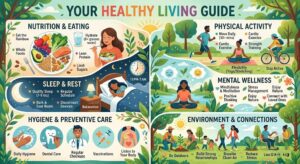
Scheduling regular medical checkups with your primary care provider allows you to monitor critical baseline metrics like blood pressure, blood sugar, and cholesterol levels. Identifying potential physiological imbalances early makes them vastly easier to manage and reverse before they become chronic issues.
Myth 1: Your Total Life Expectancy Is Entirely Pre-Determined by Genetics:
False. While your family history provides the foundational biological framework, extensive health tracking proves that lifestyle choices, nutrition, and daily habits modify gene expression and dictate the vast majority of your actual healthspan.
Myth 2: You Can Completely Out-Exercise a Poor Diet with Intense Workouts:
False. Regular movement keeps your muscles and heart strong, but it cannot reverse the cellular damage, arterial inflammation, and metabolic strain caused by a daily diet filled with processed sugars and trans fats.
Myth 3: Healthy Living Habits Only Matter Once You Reach Middle Age:
False. The cellular plaque that contributes to heart disease and the microscopic damage that weakens bones begin accumulating during early adulthood. Building protective daily habits early provides the greatest long-term protection.
The Longevity Mindset Check:
There is no single pill, extreme supplement routine, or trendy biohacking tool that can replicate the compounding biological benefits of simple, consistent daily self-care. True health is a lifelong accumulation of simple habits practiced with steady consistency.
Q1: What is the single most important daily habit to live a longer life?
There is no lone miracle habit. Longevity is supported by a combined lifestyle foundation built upon clean nutrition, daily physical movement, restorative sleep, and avoiding tobacco use.
Q2: Can changing my daily diet later in life still improve my overall longevity?
Absolutely. Introducing nutrient-dense whole foods and reducing refined sugars at any age provides immediate benefits by lowering systemic inflammation and supporting cardiovascular function.
Q3: How exactly does chronic daily stress affect a person’s physical life expectancy?
Chronic stress keeps your cortisol levels continually elevated, which gradually wears down your immune response, raises baseline blood pressure, and accelerates structural cell damage.
Q4: Is it necessary to perform intense gym workouts to achieve long-term health?
No. Low-impact, consistent physical activities like brisk walking, swimming, cycling, and regular bodyweight movements are incredibly effective at keeping your heart and muscles healthy.

Embracing healthy habits for a long life is a deeply rewarding, lifelong commitment to honoring your body’s natural capacity for healing, adaptation, and resilience. Lasting physical vitality is never created overnight through extreme, restrictive trends; it is built quietly through the steady, compound effect of your everyday choices. By consistently keeping your body hydrated, feeding your organs nutrient-dense whole foods, prioritizing deep restorative rest, and moving your body daily, you construct a fortress of health that protects your independence for decades to come. Stay patient with your progress, stay dedicated to your daily routines, and let your body age with strength and grace.
The lifestyle habits, nutritional frameworks, and longevity strategies detailed throughout this article are intended exclusively for general educational and informational purposes. This content must never be used as a direct replacement for professional medical advice, clinical diagnostics, or personalized therapeutic treatments. Always consult with your primary care physician or a board-certified specialist before modifying your exercise routines, implementing major dietary transitions, or introducing new supplements, particularly if you manage underlying health conditions or take long-term prescription medications.