
Diabetes is one of the most common chronic health conditions affecting millions of people worldwide. It develops when the body cannot properly regulate blood sugar (glucose) levels due to problems with insulin production or the way insulin works. Glucose is the body’s primary source of energy, but when it builds up in the bloodstream instead of entering the cells, it can lead to serious health complications over time. If left untreated, diabetes may affect the heart, kidneys, eyes, nerves, and blood vessels.
Although diabetes is a lifelong condition, it can often be managed successfully through healthy eating, regular physical activity, maintaining a healthy weight, prescribed medications when necessary, and routine medical check-ups. Early diagnosis and proper management significantly reduce the risk of complications and improve quality of life.
In this complete guide, you will learn what diabetes is, how it develops, the different types, common symptoms, causes, diagnosis, treatment options, prevention strategies, and practical lifestyle habits that support healthy blood sugar levels.
Sustaining a healthy metabolic state relies on a delicate biological balance that controls how energy enters and clears from your bloodstream.
Diabetes Type | Primary Biological Mechanism | Common Age of Onset | Primary Clinical Focus |
Type 1 Diabetes | Autoimmune destruction of pancreatic beta cells, resulting in absolute insulin deficiency | Most common in children and young adults | Lifelong external insulin therapy |
Type 2 Diabetes | Progressive insulin resistance combined with a relative deficiency in insulin secretion | Most common in adults, though youth cases are rising | Lifestyle modification, oral drugs, or insulin |
Gestational Diabetes | Placental hormones block normal insulin function, leading to glucose intolerance | Develops during pregnancy | Strict blood sugar tracking to protect fetal health |
Diabetes is a chronic medical condition in which blood glucose levels become higher than normal because the body either does not produce enough insulin, cannot use insulin effectively, or produces no insulin at all.
According to global health descriptions from the World Health Organization (WHO), chronic hyperglycemia over time leads to severe systemic damage. Under normal conditions, carbohydrates are broken down into glucose, which enters your bloodstream. The pancreas releases insulin, acting as a chemical key that allows glucose to enter body cells for energy. In a diabetic system, this structural process is disrupted, causing sugars to remain locked in the bloodstream.
When your circulating blood sugar climbs significantly above safe thresholds, your kidneys are forced to work at a frantic pace to filter and pull out the excess glucose. Because your filtering organs must dilute this heavy sugar load to expel it, they extract vital fluids directly from your surrounding tissues, resulting in an increased frequency of bathroom trips, particularly throughout the night.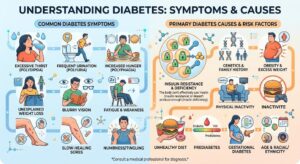
The rapid, involuntary loss of systemic fluids via frequent urination triggers an immediate biological emergency alert within your brain’s thirst center. This continuous state of mild dehydration leaves your mouth feeling perpetually dry, forcing an urgent demand for constant hydration. If you want to evaluate the exact volume your physical frame requires to maintain cellular equilibrium without overloading your kidneys, explore our foundational reference on how much water should you drink daily to stabilize your daily fluid metrics.
Because an insulin-resistant body cannot cleanly move glucose through cellular walls, your muscles and organs are left in a state of constant energy starvation. Even if you consume heavy, frequent meals, your cells continue sending desperate hunger signals to your brain, causing intense, cyclical cravings for quick-acting carbohydrates.
When your cells are completely blocked from burning glucose for cellular energy, your metabolism enters a catabolic state to survive, systematically breaking down your stored fat reserves and structural muscle tissue for alternative fuel. While this sharp drop in body weight is a classic hallmark of untreated Type 1 diabetes, it can also manifest during rapid-onset cases of Type 2 diabetes.
Feeling a heavy, unyielding sense of physical exhaustion is an incredibly common indicator of early metabolic distress. Because your system is fundamentally failing to convert the carbohydrates you eat into functional cellular energy, your muscles and brain are left chronically under-fueled, which results in persistent low energy and cognitive fog.
Heavily elevated blood glucose levels cause a rapid osmotic fluid shift that alters the physical shape and moisture balance of the lenses within your eyes. This temporary structural swelling prevents your eyes from focusing light patterns cleanly, creating sudden bouts of blurred vision that usually stabilize once your internal blood sugar metrics normalize.
High circulating blood sugar stiffens the delicate inner linings of your blood vessels, restricting full-body micro-circulation and slowing down the delivery of fresh oxygen and repair cells to injured areas. Consequently, minor skin abrasions, small blisters, or simple cuts take an unusually long time to heal, which increases your susceptibility to secondary complications.
Elevated blood glucose creates an environment where bacteria and fungi can grow more easily. As a result, people with undiagnosed diabetes may experience recurring skin infections, gum disease, yeast infections, or urinary tract infections. Frequent infections should be evaluated by a healthcare professional, especially when accompanied by other diabetes symptoms.
Prolonged exposure to excessive blood sugar volumes can be directly toxic to your delicate peripheral nerve fibers while simultaneously starving them of oxygen by damaging the tiny capillaries that feed them. This initial stage of diabetic neuropathy typically presents as a distinct “pins and needles” sensation, mild burning, or a loss of touch sensitivity starting in your toes and fingers.
High blood sugar and dehydration can reduce skin moisture, leading to dry, itchy, or flaky skin. Poor circulation may also contribute to skin discomfort. Although dry skin alone does not confirm diabetes, it can be an early warning sign when it occurs alongside other symptoms such as frequent urination, increased thirst, or fatigue.
The exact causes depend on the type of diabetes developing within the system. Type 1 is dictated by an autoimmune process, whereas Type 2 and gestational variants involve a combination of genetic inheritance and lifestyle vulnerabilities.
Healthcare professionals rely on specific, highly accurate laboratory blood panels to identify metabolic dysfunction:
Managing diabetes efficiently requires a personalized treatment plan built upon clinical supervision, appropriate medication or insulin therapy, and structured lifestyle adjustments.
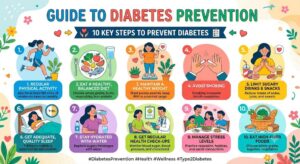
A balanced diet plays an important role in overall health. Choose high-fiber, nutrient-rich foods such as whole grains, oats, brown rice, leafy green vegetables, broccoli, beans, lentils, wild fish, skinless chicken, Greek yogurt, nuts, and seeds.
To maintain stable, healthy blood sugar patterns, try to minimize foods that trigger rapid glycemic spikes. Limit sugary drinks, processed candy, cakes, white bread, refined grains, fried foods, highly processed snacks, and excessive added sugars.
Establishing an organized, predictable pattern for your body’s circadian clock handles a massive portion of the heavy lifting when it comes to maintaining baseline insulin sensitivity.
Waking up in a calm, highly organized manner keeps your early morning spike of cortisol well within healthy boundaries, preventing stress hormones from causing sudden blood sugar releases from your liver. To learn exactly how to construct an intentional morning that supports your metabolic health, balances your endocrine function, and promotes sustained energy all day long, explore our comprehensive master blueprint on establishing the best morning routine for a healthy life to lock in your long-term wellness.
By focusing on whole foods, balanced portion sizes, and regular physical activity, you can naturally support a healthy metabolism and improve insulin sensitivity. Learn more in our guide on How to Boost Metabolism Naturally.
Myth 1: Only People Who Eat High Quantities of Sugar Develop Diabetes:
False. While excess refined sugar contributes to obesity and insulin strain, diabetes develops due to a complex combination of genetic, lifestyle, and underlying metabolic factors.
Myth 2: People Diagnosed with Diabetes Can Never Eat Fresh Fruit Again:
False. Many fresh fruits contain vital vitamins, minerals, and rich structural fibers that naturally slow down sugar absorption, fitting beautifully into a balanced eating plan when managed in appropriate portions.
Myth 3: Diabetes Always Presents with Obvious, Dramatic Warning Signs:
False. The early stages of Type 2 diabetes can progress silently inside your body for years with few or no obvious symptoms, highlighting the vital importance of routine health screening panels.
The Clinical Screening Reality Check:
Early metabolic shifts can remain completely hidden behind normal outward appearances for years. Relying purely on how you feel or look in a mirror is never a safe substitute for a precise laboratory blood panel.
Q1: What is diabetes?
Diabetes is a chronic metabolic condition in which blood sugar levels become too high because the body either cannot produce enough insulin or cannot use the insulin it makes effectively.
Q2: What are the first signs of diabetes?
Frequent urination, increased thirst, fatigue, blurred vision, and constant hunger are among the most common early symptoms.
Q3: Is diabetes curable?
There is currently no cure for diabetes. However, some people with Type 2 diabetes may achieve remission through sustained weight loss, healthy lifestyle changes, and appropriate medical care. Type 1 diabetes requires lifelong insulin therapy.
Q4: Can exercise help control diabetes?
Yes. Engaging in regular physical activity improves cellular insulin sensitivity, allowing your muscles to clear glucose from the bloodstream even without large amounts of insulin.
Q5: When should I see a doctor?
If you notice persistent early symptoms like unexplained fatigue or unusual thirst, or if you possess prominent risk factors, consult a qualified healthcare professional for evaluation.
Developing a thorough understanding of what diabetes is and recognizing its early symptoms is a deeply empowering, life-saving step toward ensuring your long-term biological longevity and physical independence. Your body’s internal chemistry is highly responsive, and identifying tiny metabolic warnings early gives you a prime opportunity to alter your long-term health trajectory for the better. By keeping your system properly hydrated, choosing whole, nutrient-dense foods, committing to daily movement, and preserving your morning mental peace, you provide your cells with the ideal environment to keep insulin functioning efficiently. Stay observant of your body’s unique signals, prioritize regular checkups, and approach your metabolic wellness with steady consistency.
The clinical symptoms, risk factors, nutritional ideas, and diagnostic frameworks detailed throughout this article are compiled exclusively for general educational and informational purposes. This content must never be treated as a direct substitute for individualized professional medical advice, clinical diagnosis, or specialized pharmaceutical therapies. Always consult directly with a board-certified primary care physician, endocrinologist, or registered dietitian before modifying your diagnostic screening intervals, introducing new exercise routines, or altering your dietary habits, particularly if you are pregnant, manage pre-existing metabolic conditions, or take prescription medications.