
Hair fall is one of the most widespread and frustrating cosmetic concerns affecting millions of men and women across all demographics. While losing a minor volume of loose strands every single day is simply a natural part of your body’s biological hair growth cycle, experiencing sudden, excessive shedding can be incredibly stressful and frequently impacts personal confidence and emotional self-esteem. A wide array of internal and external factors can accelerate active hair loss, including poor systemic nutrition, high stress levels, sudden hormonal fluctuations, genetic predispositions, underlying medical conditions, harsh chemical hair treatments, and poor everyday lifestyle choices.
Fortunately, a significant percentage of everyday hair fall issues can be effectively managed and reduced by simply refining your daily habits and implementing a nurturing, science-backed approach to your scalp and follicle care. A clean, balanced diet rich in structural proteins, vital minerals, essential vitamins, and healthy fatty acids supplies your body with the precise organic materials necessary to fuel strong, resilient hair growth right from the root. Alongside targeted nutrition, implementing gentle external handling, practical stress management, deep restorative sleep, and healthy blood circulation supports your hair health from the inside out.
In this complete guide, you will explore the fundamental biological stages of how your hair grows, identify the root causes of premature shedding, discover practical hair fall control tips to reduce hair loss naturally, and learn how to build an optimal daily routine for thicker, stronger hair.
Every individual strand of hair on your scalp operates independently, moving through distinct metabolic phases that determine its strength and lifespan.
Target Hair Goal | Primary Biological Requirement | Top Whole Food Source | Essential Daily Action |
Keratin Production | High-quality amino acids to build the structural core of the hair strand | Farm eggs and clean Greek yogurt | Include premium protein in your morning breakfast |
Follicle Oxygenation | Adequate iron levels to assist red blood cells in delivering oxygen to roots | Crisp spinach and whole lentils | Pair iron-rich meals with natural vitamin C sources |
Scalp Sebum Regulation | Essential fatty acids to keep the scalp tissue properly moisturized | Fresh avocados and raw walnuts | Avoid applying drying styling chemicals directly to roots |
Just like your skin and vital organs, your hair follicles require constant internal hydration to remain active and strong. Dehydration can instantly stall active cellular division at the hair root, leaving strands dry, brittle, and highly prone to mid-shaft breakage. If you want to calculate the exact, personalized baseline fluid volume your body framework requires to keep your scalp hydrated and circulating nutrients efficiently, explore our complete analysis on how much water should you drink daily to align your hydration strategy.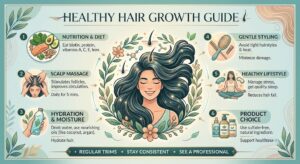
Because your hair strands are physically composed of a tough, fibrous protein called keratin, a chronic shortage of amino acids forces your body to ration protein away from your scalp to protect vital internal organs. Ensure your daily meals feature optimal protein sources like eggs, lean chicken, wild fish, lentils, or beans to keep your follicles structurally fueled.
Iron plays a mandatory role in generating the hemoglobin cells that transport fresh oxygen straight to your hair roots, while zinc is essential for cellular repair and tissue growth within the follicle matrix. Consuming nutrient-dense foods like dark leafy greens, whole grains, and pumpkin seeds helps prevent the structural shedding associated with minor mineral deficiencies.
Regular physical activity significantly enhances your overall cardiovascular circulation, ensuring that life-giving blood and vital micronutrients are continuously pushed into the tiny capillaries feeding your scalp tissue. If you want to utilize an easy, highly accessible daily exercise that reduces systemic cortisol production while improving full-body vascular delivery to your hair roots, read our expert guide on the benefits of walking 30 minutes daily to boost your physical routine.

Keep your scalp free of excessive buildup, stale sweat, and environmental pollution by using a mild, sulfate-free shampoo formulated for your specific skin type. Avoid washing your hair with steaming hot water, which strips away the scalp’s protective lipid barrier, and always massage your roots gently with clean fingertips rather than scratching with sharp fingernails.
Frequently blasting your wet strands with high-temperature blow dryers, flat irons, or curling tools severely degrades the moisture balance within the hair shaft, leading to split ends and breakage. Allow your hair to air-dry naturally whenever possible, comb your strands gently with a wide-toothed wooden implement, and avoid pulling hair into tight, straining styles.
Spending a few minutes massaging your scalp with clean, dry fingertips using gentle circular motions can stimulate local blood flow directly around the follicles. To minimize friction and lock in healthy surface moisture, you can occasionally introduce a few drops of natural, unrefined plant oils like cold-pressed coconut oil, argan oil, or olive oil into your weekly routine.
Experiencing chronic emotional or psychological stress can prematurely shock an abnormally large number of active hair follicles out of their growth phase and push them directly into the shedding stage. Incorporate calming daily habits such as deep breathing exercises, spending quiet time outdoors, or reading to keep your baseline stress hormones well balanced.
Deep sleep is the precise window where your endocrine system releases essential growth hormones and optimizes cellular protein synthesis across your entire body. Securing sufficient, undisturbed rest every night gives your hair follicles the necessary recovery time to rebuild structural tissues and sustain strong growth rates.
A sluggish, nutrient-deprived system cannot support optimal follicle performance. By replacing heavily processed snacks and fast foods with antioxidant-rich berries, citrus fruits, and healthy fats, you naturally teach your body How to Boost Metabolism Naturally to ensure your internal distribution networks stay active and fully capable of delivering vital nourishment to your scalp all day.
Sustaining a thick, vibrant mane is never about applying a random cosmetic product during a sudden shedding crisis; it requires establishing a highly consistent daily and weekly lifestyle architecture. For example, anchoring your day with an organized, low-stress morning routine prevents sudden cortisol spikes that restrict healthy blood circulation to your extremities, including your scalp tissue. To learn exactly how to build a calm, wellness-focused morning framework that balances your internal health and supports your grooming habits seamlessly, look through our full roadmap on establishing the best morning routine for a healthy life to structure your daily wellness goals.
The Chemical Reality Warning: While changing your external hair care products can help reduce surface breakage and soothe a dry, itchy scalp, topical shampoos or expensive hair oils cannot fix deep-seated internal nutrient deficiencies or chronic hormone imbalances. Lasting hair strength always starts from the nutrient supply inside your bloodstream.
Myth 1: Trimming the Ends of Your Hair Every Month Makes It Grow Faster From the Roots:
False. Hair grows directly from the follicles located deep beneath your scalp tissue. Trimming your ends regularly is excellent for removing split ends and stopping mid-shaft breakage, but it has zero physical impact on how fast your roots produce new length.
Myth 2: Brushing Your Hair One Hundred Times Every Day Improves Growth and Volume:
False. While gentle brushing helps distribute natural oils along the length of the hair shaft, over-brushing creates intense physical friction that breaks fragile strands and weakens the protective cuticle layer.
Myth 3: Wearing Hats or Caps Consistently Restricts Airflow and Causes Hair Loss:
False. Wearing a clean, comfortably fitting hat does not choke your hair follicles or cause shedding, as your roots draw all their essential oxygen and nutrients directly from your internal bloodstream, not the surrounding air.
Q1: How many strands of hair is it normal to lose over the course of a normal day?
For most healthy adults with a typical growth cycle, losing anywhere between fifty to one hundred individual hairs a day is completely normal as old strands make room for new growth.
Q2: Can a sudden crash diet or rapid weight loss trigger excess hair shedding?
Yes. Restrictive diets that lack adequate protein and essential fatty acids can shock your system, causing a temporary shedding condition known as telogen effluvium.
Q3: Are natural plant oils capable of completely reversing pattern baldness on their own?
No. While natural oils are excellent for conditioning dry hair strands and soothing a tight scalp, they cannot alter your underlying genetics or reverse hereditary hair thinning.
Q4: When should I consider scheduling a visit with a dermatologist for my hair loss?
You should seek professional medical advice if you notice sudden patchy hair loss, distinct bald spots, or if your shedding is accompanied by persistent scalp pain, intense itching, or redness.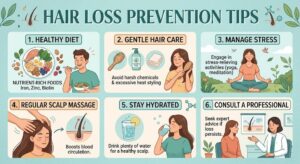
Controlling hair fall and encouraging thicker growth is an empowering process focused on nurturing your body’s internal health while practicing gentle, protective external care habits. True, long-term hair vitality cannot be found in a single miracle product or achieved through rapid, temporary lifestyle changes; it is built through the steady accumulation of your daily nutritional and self-care choices. By drinking enough water, feeding your roots a steady supply of protein-rich whole foods, protecting your scalp from extreme heat styling, and securing deep sleep, you create the ultimate foundation for your hair to thrive. Remain patient with your growth cycle, stay consistent with your clean habits, and allow your hair to recover its natural strength over time.
The structural hair care tips, nutritional suggestions, and scalp health frameworks presented throughout this article are meant solely for educational and informational purposes. This content should never be treated as a direct substitute for professional clinical medical advice, specialized dermatological diagnosis, or targeted therapeutic treatments. Always consult directly with a board-certified dermatologist, trichologist, or your primary care physician before introducing high-dose vitamin supplements or starting medical hair restoration therapies, especially if you suspect your hair loss stems from underlying thyroid conditions, autoimmune disorders, or systemic hormone imbalances.