
Heart disease remains one of the leading causes of chronic illness and mortality worldwide. Fortunately, a vast majority of cardiovascular health problems can be drastically reduced through proactive lifestyle modifications, especially by improving your daily eating habits. A well-balanced diet that includes nutrient-rich whole foods can naturally support healthy blood pressure levels, improve overall cholesterol markers, reduce systemic tissue inflammation, and protect your heart over the long term.
The specific foods you choose to consume every day directly impact your entire cardiovascular system. Diets that are consistently high in saturated fats, added refined sugars, and heavily processed meats can increase your risk of heart problems, while whole foods rich in soluble fiber, clean essential fats, vital minerals, and natural antioxidants help maintain highly flexible artery walls. Making small, mindful dietary improvements today can provide powerful, lasting health benefits in the future.
In this complete guide, you will learn exactly which are the best foods for heart health, understand the specific micronutrients that support cardiovascular wellness, identify harmful options to limit, and discover simple everyday lifestyle habits that keep your heart working efficiently for years to come.
Protecting your heart requires eating foods that prevent plaque accumulation, keep your blood thin enough to flow smoothly, and reduce stress on your artery walls.
Target Nutrient | Primary Cardiovascular Mechanism | Top Whole Food Sources | Daily Serving Goal |
Soluble Fiber | Binds to cholesterol in digestion to remove it naturally | Whole rolled oats, black beans, lentils | 25 – 35 Grams daily |
Omega-3 Fatty Acids | Lowers triglyceride levels and keeps blood flowing well | Wild-caught salmon, chia seeds, walnuts | At least twice a week |
Potassium & Magnesium | Relaxes smooth muscle tissues to lower blood pressure | Fresh spinach, avocados, broccoli | Abundant in daily meals |
Oats are dense with a powerful type of soluble fiber known as beta-glucan. This fiber forms a gel-like substance in your digestive tract that binds to excess cholesterol, preventing it from tracking into your bloodstream. If you want to use this incredible complex carbohydrate to craft fast, delicious morning routines that fuel your body without mid-day energy crashes, read our complete roadmap on Healthy Breakfast Ideas for Busy People to secure stable physical vitality.
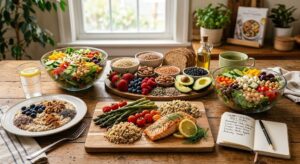
Salmon supplies high levels of omega-3 polyunsaturated fatty acids, specifically EPA and DHA. These clean fats are clinically proven to decrease standard triglyceride markers, support stable heart rhythms, and minimize vascular inflammation.
Among all nuts, walnuts are unique because they supply vast quantities of alpha-linolenic acid (ALA), a plant-based omega-3 fat. Eating a small handful of walnuts daily helps preserve endothelial health and improves arterial flexibility.
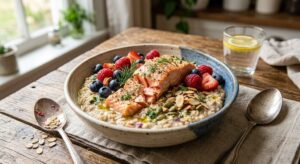
Blueberries are loaded with dark plant pigments called anthocyanins. These active antioxidants protect your delicate blood vessels from free radical damage and actively support healthy, smooth blood circulation.
Spinach contains exceptional amounts of dietary nitrates, which your body converts directly into nitric oxide. This compound relaxes and widens blood vessels, making spinach an absolute champion for supporting healthy blood pressure.
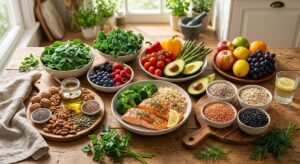
Avocados provide high-quality monounsaturated oleic acid alongside healthy potassium levels. This combination lowers bad LDL cholesterol while maintaining good HDL cholesterol, keeping your lipid profile completely balanced.
Legumes provide lean plant-based proteins that are entirely free of saturated fat. They are packed with minerals like magnesium, which regulates the natural electrical pacing of your heartbeat.
Cold-pressed extra virgin olive oil is packed with polyphenols and clean monounsaturated fats. Replacing processed cooking oils or butter with extra virgin olive oil lowers systemic inflammation markers across your vascular system.
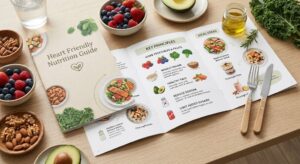
Tomatoes contain lycopene, a potent fat-soluble carotenoid antioxidant. Lycopene helps prevent the oxidation of cholesterol, reducing the risk of plaque accumulation along your arterial walls.
Broccoli supplies excellent amounts of fiber and vitamin K, which prevents calcification inside your arteries. Gentle steaming helps preserve these critical properties while supporting gut health.
While maximizing your plate with heart-friendly superfoods is essential, long-term cardiovascular health operates best alongside other daily wellness disciplines. For instance, pairing a clean diet with a structured, stress-free morning routine gives your heart a predictable, calm start to the day. To learn how to construct a balanced morning that limits early hormone spikes and protects your mental space, explore our guide on building a best morning routine for a healthy life to manage stress naturally.
Additionally, your circulatory system requires consistent physical exercise to remain highly resilient. If you want to naturally lower resting heart rates, stimulate better blood circulation, and amplify the benefits of your nutrient-dense food plan through a low-impact daily workout, take a look at our complete guide on the benefits of walking 30 minutes daily to fortify your heart muscles.
Myth 1: You Must Completely Avoid All Forms of Dietary Fat:
False. While processed trans fats are incredibly harmful, healthy fats found in walnuts, avocados, and olive oil actively support healthy cholesterol balances.
Myth 2: Red Wine Is a Necessary Tool for Cardioprotection:
False. While red wine contains a tiny amount of an antioxidant called resveratrol, you can easily secure identical cellular protection from fresh blueberries or grapes without the toxic downsides of alcohol.
Myth 3: High Cholesterol Is Solved Exclusively by Eating Less Cholesterol:
False. Your liver creates most of your cholesterol. Eating soluble fibers (like oats and beans) and cutting out processed sugars is far more effective for managing total blood lipids.
Q1: What is the fastest dietary change to improve blood pressure parameters?
Safely lowering your sodium intake while significantly increasing potassium-rich whole foods like spinach, bananas, and avocados can show noticeable improvements within a few weeks.
Q2: Are frozen or canned vegetables good for the heart?
Yes, frozen vegetables lock in their nutrients perfectly. Canned beans are also excellent, provided you rinse them under cold water to clear out excess preserving sodium.
Q3: Can a healthy metabolism improve my overall heart health profile?
Absolutely. Keeping your cells responsive to insulin and processing energy cleanly prevents fat accumulation around your internal organs, reducing stress on your heart.
Q4: Is it safe to cook with extra virgin olive oil at high heat?
High-quality extra virgin olive oil has a stable smoke point of around 400 degrees Fahrenheit, making it completely safe and healthy for standard everyday cooking, baking, or sautéing.

Nourishing your cardiovascular system with the best foods for heart health is an empowering, daily choice to support your physical longevity. You do not need to rely on complicated, restrictive diet protocols; shifting your choices toward simple, unrefined whole foods—like fresh spinach, rolled oats, rich berries, and monounsaturated olive oil—gives your body the exact materials it requires to protect your blood vessels. Focus on maintaining lifestyle consistency, combine your clean nutrition plan with regular movement, and allow your body to experience the deep physical stamina and security that comes with a healthy heart.
The nutritional suggestions, diet examples, and cardiovascular wellness insights shared across this article are intended strictly for educational and informational purposes. This content should never be utilized as a direct substitute for specialized medical advice, clinical diagnosis, or targeted cardiology treatment. Always consult with your primary care physician, certified cardiologist, or registered dietitian before making significant changes to your nutrition or exercise habits, especially if you manage high blood pressure, take blood-thinning medications, or have a history of chronic heart conditions.