
Eating a balanced diet is one of the most effective and time-tested ways to maintain good health, sustain active daily vitality, and naturally reduce the long-term risk of chronic metabolic conditions. Among the wide array of healthy food choices available to us, certain choices are often referred to as superfoods because they are densely packed with high concentrations of essential vitamins, vital minerals, cell-protecting antioxidants, healthy fats, and dietary fiber. While no single standalone food can magically prevent illness or guarantee absolute immunity, including a colorful variety of these nutrient-dense options in your everyday meals can significantly improve overall well-being and help your internal organs function at their absolute best.
Superfoods provide your cells with far more than just basic survival calories. They actively supply the core micro-nutritional building blocks needed to support the immune system, optimize cardiovascular performance, strengthen structural bones, enhance gut digestion, and promote vibrant skin. The key to success is to deliberately enjoy these natural options as an integrated part of a balanced daily eating pattern, rather than relying on any single ingredient to do all the heavy lifting.
In this complete guide, you will learn exactly what superfoods are, explore their biological health benefits, and discover the top 10 superfoods for better health that you should easily add to your kitchen routine in 2026.
Superfoods stand out because of their exceptional nutritional density compared to processed options, meaning they deliver an abundance of micronutrients per calorie consumed.
Superfood Category | Primary Micronutrient Power | Target Health Benefit | Best Serving Suggestion |
Dark Berries | Anthocyanins & Vitamin C | Protects cellular integrity and sharpens baseline cognitive skills | Mix fresh into morning rolled oats |
Fatty Fish (Salmon) | Omega-3 Fatty Acids (EPA/DHA) | Reduces tissue inflammation and supports arterial heart health | Grill or bake with lemon juice twice a week |
Cultured Dairy / Yogurt | Live Probiotic Strains & Calcium | Strengthens bone matrix and improves gut nutrient assimilation | Enjoy plain with a small handful of walnuts |
Blueberries are widely celebrated for their exceptional antioxidant levels, particularly a compound called anthocyanin. These tiny berries assist in protecting structural blood vessels, maintaining memory sharpness, and lowering systemic stress indicators throughout the body.
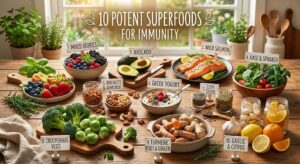
Spinach is an incredibly versatile green that delivers substantial amounts of non-heme iron, folate, vitamin A, and bone-building vitamin K. Including spinach in your weekly rotation ensures your body has the materials required for healthy blood oxygenation.
Salmon supplies premium, high-quality proteins alongside robust levels of omega-3 fatty acids. These healthy monounsaturated and polyunsaturated fats help manage cardiovascular strain and preserve flexible joint movement.

Oats are dense with a unique soluble fiber known as beta-glucan. This fiber creates a slow, steady release of energy without sudden blood sugar spikes. If you want to master the art of using this fiber to build quick, highly nutritious morning routines that save time without sacrificing performance, read our complete guide on Healthy Breakfast Ideas for Busy People to level up your morning layout.
Greek yogurt undergoes a traditional straining process that concentrates its protein content while reducing excess sugars. It is loaded with live probiotic cultures that balance your digestive tract and maximize nutrient absorption.
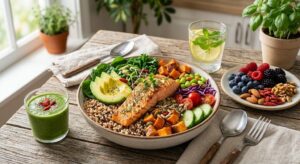
Almonds, walnuts, and pistachios contain exceptional concentrations of vitamin E, plant sterols, and healthy fats. Because nuts are naturally calorie-dense, enjoying a small handful daily provides long-lasting satiety and curbs afternoon junk food cravings.
Do not let their small size fool you; chia seeds are an absolute powerhouse of soluble fiber and alpha-linolenic acid (ALA). When exposed to liquid, they expand in your stomach, promoting exceptional digestive transit and keeping you full for hours.
Avocados are unique because they are primarily made of healthy monounsaturated oleic acid rather than carbohydrates. This clean fat composition aids your digestive system in absorbing fat-soluble vitamins (A, D, E, and K) from other vegetables.

Broccoli is a member of the cruciferous vegetable family, containing sulfur compounds called glucosinolates. It provides a massive dose of vitamin C and plant compounds that support the body’s natural cellular cleansing processes.
Garlic contains a highly active compound called allicin, which is released when the clove is crushed or chopped. Used for centuries in traditional wellness practices, fresh garlic supports your body’s immune defenses and circulation.
While filling your plate with superfoods is a giant step forward, total body health requires a multi-dimensional approach to daily wellness. For example, pairing your clean eating plan with a structured, stress-free morning routine gives your body the calm mental environment it needs to process nutrition properly. To discover how to build an empowering, organized start to your morning, take a look at our expert roadmap on the best morning routine for a health life to reduce early stress spikes.
Additionally, keeping your metabolic systems firing efficiently requires proper exercise habits. If you want to naturally accelerate your baseline calorie burn, support your heart health, and pair your clean superfood nutrients with a simple, highly effective cardiovascular routine, explore our complete manual on the benefits of walking 30 minutes daily to maximize your physical stamina over time.
Myth 1: Exotic Superfood Powders Are Better Than Whole Foods:
False. Expensive imported powders and supplements do not outperform simple, everyday whole foods like fresh garlic, local spinach, and plain rolled oats.
Myth 2: You Can Eat Unlimited Amounts of Any Superfood:
False. Even nutrient-rich options obey the laws of thermodynamics. Foods like avocados and nuts are highly caloric and should be enjoyed in mindful portions.
Myth 3: Superfoods Can Undo the Damage of a Poor Lifestyle:
False. Eating a handful of blueberries will not counteract a diet heavy in refined sugars or chronic sleep loss. Superfoods operate at peak efficiency only when woven into an overall healthy lifestyle.
Q1: What is the single best superfood to consume daily?
No single food holds all the answers. The best approach is to consume a colorful mix of categories, balancing leafy greens, rich berries, and high-quality clean proteins.
Q2: Does cooking superfoods destroy their underlying nutritional value?
It depends on the method. While boiling can leach water-soluble vitamins, gentle steaming or baking often preserves or even enhances the availability of certain nutrients.
Q3: Are frozen berries just as healthy as fresh ones?
Yes. Frozen berries are typically flash-frozen right at the peak of harvest, which locks in their natural antioxidant properties and essential vitamins perfectly.
Q4: Can I include superfoods if I have a sensitive digestive system?
Yes, but choose easily digestible options. Well-cooked broccoli, blended spinach smoothies, or soft oatmeal are excellent, gentle choices for a sensitive gut.
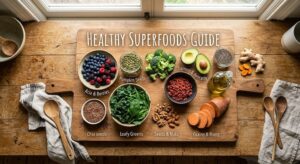
Embracing the power of superfoods is not about chasing expensive health food trends or forcing yourself onto extreme dietary restrictions. True, radiant health is built by consistently introducing simple, whole, nutrient-dense ingredients into your favorite everyday meals. By making small, mindful updates—like scattering chia seeds into your yogurt, swapping processed snacks for raw walnuts, or adding a serving of leafy greens to your dinner—you supply your cells with the precise tools required for optimal vitality. Focus on building sustainable, positive nutritional habits, maintain lifestyle consistency, and allow your body to thrive naturally.
The dietary suggestions, nutritional insights, and superfood profiles provided across this article are meant exclusively for educational and informational purposes. This content should never serve as a substitute for professional medical guidance, clinical diagnosis, or individualized nutritional therapy. Always speak directly with your primary care physician or a registered dietitian before making significant changes to your daily food intake, especially if you deal with metabolic conditions, severe food allergies, or are taking prescription medications.