
Metabolism is one of the most important biochemical processes in the human body because it actively converts the food you eat into the energy needed for breathing, cellular repair, digestion, movement, and every other vital bodily function. A healthy, high-performing metabolism allows your body to use daily calories efficiently, maintain stable baseline energy levels, and support overall long-term wellness. Many individuals believe that having a naturally slow metabolism is the primary reason they struggle with fitness goals, but the scientific truth is that your metabolic rate is influenced by several interconnected factors, including age, lean muscle mass, physical activity, sleep cycles, daily diet, and genetics.
While you cannot completely alter your genetic programming or biological history, there are many natural, science-backed ways to significantly improve how efficiently your body processes fuel and burns calories. Simple everyday lifestyle modifications such as eating sufficient high-quality protein, staying physically active throughout the day, drinking enough clean water, and securing deep sleep can help support a much healthier metabolic engine over time.
In this complete guide, you will learn exactly how human metabolism works, identify the primary factors that affect your daily calorie burn, and discover the absolute best science-based strategies to naturally boost your metabolism for better energy, improved physical fitness, and healthy weight management.
Your total daily energy expenditure is made up of multiple components, not just the physical exercise you perform.
Lifestyle Component | Direct Impact on Metabolism | Primary Biological Mechanism | Actionable Solution |
High-Protein Nutrition | Increases temporary calorie burn significantly | Elevates the Thermic Effect of Food (TEF) during digestion | Ensure clean protein is present in every meal. |
Resistance & Strength Training | Increases long-term resting metabolic rate | Builds dense lean muscle tissue that burns fuel at rest | Lift weights or do bodyweight moves 3 times a week. |
Chronic Sleep Deprivation | Decreases overall metabolic and hormonal efficiency | Elevates cortisol levels and disrupts hunger hormones | Secure 7 to 9 hours of deep sleep each night. |
Eating food temporarily speeds up your metabolic rate for a few hours because your body requires thermal energy to process nutrients. Protein causes the largest rise in TEF, increasing your metabolic rate by 15% to 30%, compared to just 5% to 10% for carbohydrates and 0% to 3% for dietary fats.

Muscle tissue is far more metabolically active than fat tissue. Every single pound of muscle your body builds uses roughly six calories a day just to sustain itself, whereas a pound of fat burns a mere two calories. Resistance exercises ensure you keep your metabolic rate high even while sitting or sleeping.
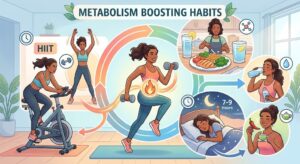
Your internal metabolic machinery requires water to process calories smoothly. Drinking pure water can temporarily speed up your resting metabolism. If you want to optimize your hydration framework and find out how much fluid your specific body size needs to keep your digestive organs running efficiently under pressure, take a look at our detailed guide on how much water should you drink daily to avoid common hydration mistakes.
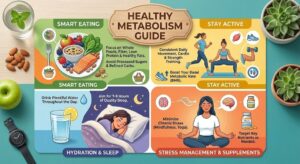
Sitting for hours at an office desk drops your metabolic activity to a baseline low, which can slow down fat processing. Simply standing up every hour, pacing during phone calls, or stretching at your workstation keeps your body’s NEAT levels high, burning extra calories effortlessly.
When you experience chronic stress, your adrenal glands pump out a hormone called cortisol. High cortisol levels slow down your metabolism, increase visceral fat storage, and spark intense cravings for sugary comfort foods. Managing stress preserves your metabolic health.
A chronic lack of restorative sleep is directly tied to a major drop in metabolic efficiency. Poor sleep disrupts your body’s ability to process carbohydrates and throws your hunger hormones (leptin and ghrelin) out of balance, triggering intense cravings. If you want to establish a relaxing evening routine to secure deeper rest, exploring our guide on How to Sleep Better at Night Naturally is a highly effective way to naturally balance your internal recovery systems.
Starving yourself or skipping food for long stretches can cause your body to enter a protective mode, slowing down your calorie burn to conserve fuel. If you want to build a balanced, time-saving approach to nutrition that fuels your cell biology without blood sugar spikes, check out our guide on Healthy Breakfast Ideas for Busy People to keep your energy levels steady.
Green tea contains natural antioxidants called catechins, along with a moderate dose of caffeine. Studies show that these active compounds work together to slightly increase fat oxidation and boost daily calorie burning.
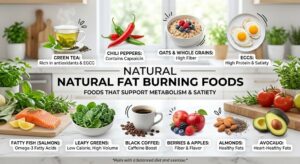
Your body cannot digest fiber easily, meaning it has to work much harder and expend more energy trying to break down fiber-rich foods. Foods like lentils, black beans, broccoli, and oats support gut health while keeping your metabolic processes active.
Consuming high amounts of processed sugar can overwhelm your liver, forcing your body to convert the excess fructose directly into belly fat. Cutting out sugary sodas and heavily processed snacks prevents metabolic resistance.
Clean fats like extra virgin olive oil, avocados, walnuts, and chia seeds support healthy hormone production, including thyroid hormones which directly regulate your overall metabolic speed.
Adding short bursts of intense effort to your cardio sessions creates an effect called excess post-exercise oxygen consumption (EPOC). This process keeps your body burning extra calories for hours after your workout is completely finished.

Myth 1: Ice-Cold Drinks Will Instantly Melt Away Fat:
False. While your body does expend a tiny number of calories warming cold water up to your internal core temperature, the effect is far too small to cause significant or noticeable weight loss on its own.
Myth 2: Eating Multiple Tiny Meals Throughout the Day Speeds Up Metabolism:
False. The total amount of food you consume determines the total energy used for digestion. Eating three balanced meals or six small snacks results in the exact same overall thermic effect.
Myth 3: Your Metabolism Permanently Dictates Your Fitness Levels:
False. While genetics provide a baseline, lifestyle factors like building muscle mass, staying active, and optimizing your sleep exert a massive amount of control over your functional daily calorie burn.
Q1: How long does it take to naturally notice a boost in metabolism?
By increasing your protein intake and engaging in regular movement, you can notice an improvement in your daily energy levels within a few days, while building calorie-burning muscle tissue takes a few weeks of consistent training.
Q2: Does drinking black coffee boost metabolic speed?
Yes, the caffeine in plain black coffee can temporarily stimulate your central nervous system and elevate your metabolic rate, but this effect decreases if you consume excessive amounts daily.
Q3: Why does metabolism naturally slow down as we get older?
The age-related drop in metabolism is primarily caused by sarcopenia, which is the natural loss of lean muscle mass. You can actively fight this process by participating in regular strength training.
Q4: Can a highly restrictive low-calorie diet ruin my metabolism?
Yes. Eating far too few calories forces your body into a state of adaptive thermogenesis, dropping your metabolic speed dramatically to save energy and protect your vital organs.
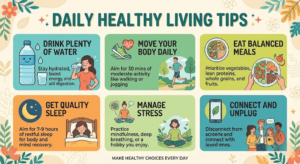
Naturally boosting your metabolism is not about relying on expensive supplements or extreme, restrictive diets. It is about consistently fueling your cellular biology with the correct foundational lifestyle habits. By prioritizing high-quality clean proteins, building lean muscle tissue through movement, keeping your body well-hydrated, and securing deep sleep, you provide your body with the tools it needs to burn energy efficiently. Focus on making sustainable, healthy everyday choices, treat your body with patience, and enjoy the steady physical vitality and natural weight management that a nourished, active metabolism brings.
The lifestyle, diet, and metabolic optimization insights shared throughout this article are meant strictly for educational and informational purposes. This content should never be used as a direct replacement for professional medical advice, clinical diagnosis, or targeted metabolic treatment. Always consult with a primary physician, endocrinologist, or registered healthcare specialist before starting any aggressive exercise routine or making major changes to your nutritional plan, especially if you manage underlying thyroid disorders or metabolic health conditions.