
Quality sleep is one of the most important pillars of good human health, yet millions of individuals struggle to get enough restful sleep every single night. Busy professional schedules, chronic stress, excessive screen time, poor evening eating habits, and irregular sleep routines have made sleep problems increasingly common worldwide. While occasional sleepless nights are a completely normal response to life changes, ongoing poor sleep can deeply damage your physical health, mental well-being, everyday productivity, and overall quality of life.
During deep sleep, your body actively repairs damaged tissues, strengthens the immune system, balances essential hormones, and clears out biological waste from the brain. A chronic lack of quality sleep can quickly lead to daytime fatigue, poor concentration, sudden mood changes, unwanted weight gain, weakened immunity, and an increased risk of long-term health conditions. Fortunately, many sleep problems can be drastically improved by adopting healthy daily habits and creating a better physical sleep environment.
In this complete guide, you will learn practical and science-based ways to sleep better naturally, understand the most common causes of poor sleep, and discover healthy bedtime habits that can help you wake up feeling refreshed, alert, and energized every single day.
Sleep allows the body and brain to recover fully from daily activities, acting as an internal resetting mechanism.
Healthy Sleep Indicators | Common Causes of Poor Sleep | Immediate Warning Signs |
Falling asleep within 15-20 minutes | High stress, racing thoughts, and anxiety | Continuous daytime fatigue and yawning |
Waking up naturally without brain fog | Excess blue light from phone screens | Difficulty focusing or remembering tasks |
Sleeping 7 to 9 hours consistently | Consuming caffeine too late in the evening | High irritability and sudden mood shifts |
Going to bed and waking up at the exact same times every day helps program your body’s internal biological clock (circadian rhythm). Keeping this pattern stable—even on weekends—makes it much easier to fall asleep naturally over time.

Electronic devices emit an artificial blue light wave that tricks your brain into thinking it is still daytime, blocking the natural release of the sleep hormone melatonin. Turn off all digital screens at least one hour before bed.
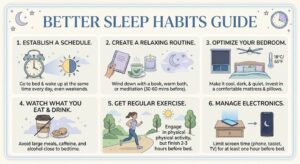
Eating massive, heavy meals immediately before lying down strains your digestive organs and causes painful acid reflux. If you want to learn how your eating schedule changes your overall energy dynamics, explore our comprehensive guide on how much water should you drink daily to keep your internal body processes perfectly hydrated and smooth.
Consistent body movement burns off extra adrenaline and deepens your natural nighttime sleep cycles. Incorporating the physical benefits of walking 30 minutes daily during sunlight hours is one of the easiest, most accessible ways to reset your internal clock and ensure you feel physically ready for bed.
Going to bed with a racing mind blocks deep sleep. Taking the time to build a structured, peaceful routine through the best morning routine for a health life actually helps lower your baseline cortisol levels throughout the entire day, making it much easier to transition into a calm, relaxed state at night.
Your brain needs a dark, quiet, and cool room to stay in deep sleep. Use blackout curtains to block outside light, keep electronics away from the bed, and turn down the temperature slightly before turning in.
Caffeine blocks adenosine receptors in your brain, keeping you wired for up to six hours after drinking it. Similarly, while alcohol might make you feel drowsy initially, it completely disrupts your deep REM sleep cycles later in the night.
While a quick 20-minute power nap can help restore daytime focus, taking long naps late in the afternoon confuses your body’s sleep drive, making it much harder to fall asleep at your regular bedtime.
Certain foods contain natural sleep-promoting compounds like magnesium, tryptophan, or melatonin.

Consuming sugary desserts or processed snacks late at night causes quick blood sugar spikes and crashes, which can startle your body and wake you up in the middle of the night.
Myth 1: You Can Completely Catch Up on Sleep on Weekends:
False. Sleeping extra hours on Saturday or Sunday cannot fully reverse the systemic strain or metabolic impacts caused by a week of poor sleep.
Myth 2: Watching Television Helps You Fall Asleep:
False. While it might distract you, the changing light patterns and audio stimulate your brain, preventing you from entering deeper sleep stages.
Myth 3: Snoring Is Just a Sign of Deep, Heavy Sleep:
False. Consistent, loud snoring can be a primary warning sign of obstructive sleep apnea, a condition that disrupts your breathing and hurts your sleep quality.
Q1: What is the single best natural way to sleep better?
Maintaining a highly consistent sleep and wake schedule is the single most powerful way to optimize your biological sleep patterns.
Q2: How long does it take to fix a broken sleep schedule?
By sticking to a strict morning wake-up time, avoiding long naps, and cutting out night screens, you can begin to reset your rhythm within a week.
Q3: Is it bad to drink water immediately before going to sleep?
Drinking a small amount is completely fine to prevent a dry mouth, but drinking massive amounts right before bed can wake you up for frequent bathroom trips.
Q4: Can a hot shower before bed help me sleep?
Yes. A warm bath or shower raises your body temperature temporarily. When you step out, your temperature drops quickly, which signals your brain that it is time to sleep.
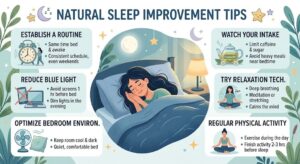
Unlocking deep, restful sleep naturally is all about listening to your body’s biological clock. By setting a predictable routine, dimming your lights, moving your body during the day, and avoiding heavy evening meals, you give your brain the perfect environment to rest. Real sleep improvement does not happen overnight, but making small, consistent adjustments to your bedroom and evening habits will help you protect your long-term health, boost your focus, and wake up feeling truly energized every single morning.
The lifestyle, habit, and sleep tips shared in this article are meant strictly for educational and informational purposes. This content should never replace professional medical advice, clinical diagnosis, or targeted sleep treatment. Always consult with a primary physician or a certified sleep specialist if you struggle with persistent insomnia, severe loud snoring, or chronic daytime exhaustion that does not improve with habit changes.