
A healthy digestive system plays a vital role in your overall biological well-being. Digestion is the precise process by which your body breaks down food, extracts essential nutrients, and safely removes metabolic waste. When digestion functions properly, your body receives the fuel it needs for energy, cellular growth, and systemic repair. However, poor digestion can quickly lead to uncomfortable everyday symptoms such as bloating, chronic gas, constipation, stomach pain, acid reflux, and persistent fatigue.
Modern lifestyles heavily contribute to widespread digestive issues. Fast food, processed snacks, high stress, a lack of physical movement, and inadequate hydration can all throw off your internal gut balance. Many individuals experience digestive discomfort regularly without realizing that making simple lifestyle adjustments can make a significant difference.
Fortunately, there are many highly effective, natural ways to support digestion and improve gut health. Embracing healthy eating patterns, regular physical activity, proper hydration, and proactive stress management can help your digestive system function more efficiently. In this complete guide, you will learn practical and natural methods to improve digestion and maintain long-term digestive wellness.
Your gut contains trillions of microorganisms, collectively known as the gut microbiome, that deeply influence digestion, metabolism, and immunity.
Primary Symptoms | Secondary Impacts | Triggers to Monitor |
Persistent bloating and gas | Chronic fatigue after eating | High intake of fried foods |
Acid reflux and heartburn | Unpredictable bowel habits | Excess caffeine & carbonation |
Infrequent, painful constipation | Sudden food sensitivities | High chemical preservative intake |
Water is absolutely foundational for smooth digestion. It dissolves water-soluble nutrients, helps break down solids, and keeps the lining of your intestines properly lubricated to avoid painful stools. Carrying a water bottle and identifying exactly how much water should you drink daily is your first and most important step toward permanent digestive comfort.
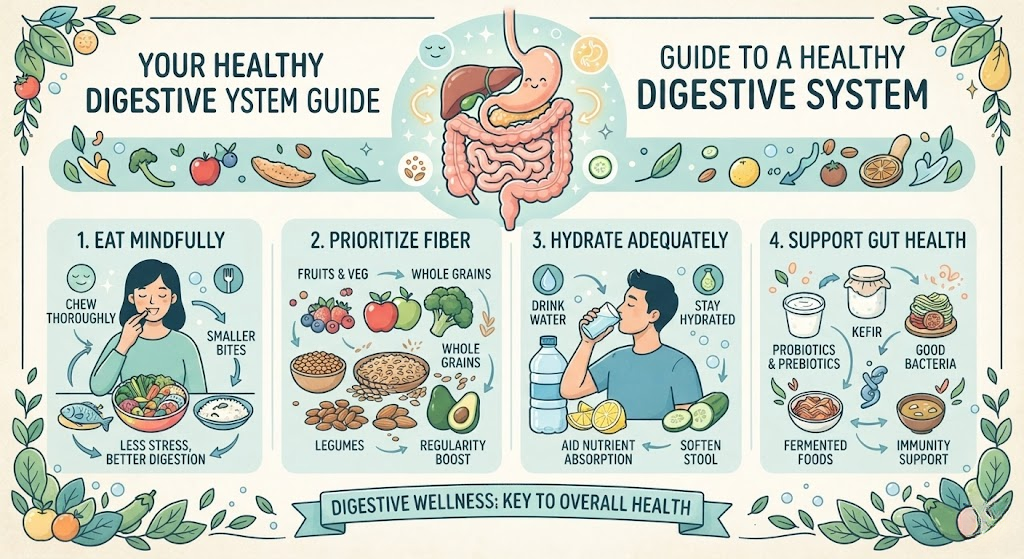
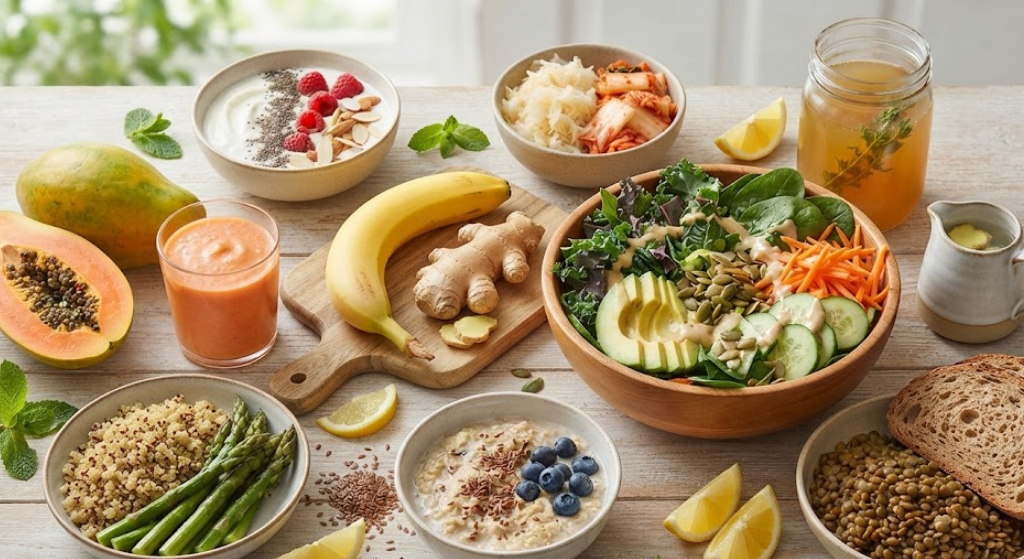
Fiber adds necessary bulk to your stool and acts as a premium prebiotic food source for your beneficial gut bacteria.
Regular body movement stimulates the natural rhythmic contractions (peristalsis) of your intestinal muscles, accelerating digestion. Setting aside time for the benefits of walking 30 minutes daily after major meals is an exceptional way to prevent chronic bloating and clear your blood sugar naturally.
Poor scheduling forces you to eat too fast, which causes you to swallow excess air and strain your stomach muscles. Structuring the best morning routine for a health life allows you to sit down, focus on chewing your food thoroughly, and set a stable digestive pace for the rest of your day.
Digestion begins in your mouth. Saliva contains essential enzymes that initiate chemical breakdown. Chewing your food into a smooth paste reduces the mechanical workload placed on your stomach and small intestine.
Probiotics introduce active, beneficial live bacteria directly into your digestive tract to balance your internal microbiome.

When you are stressed, your body enters a fight-or-flight mode, which pulls blood flow and energy completely away from your gastrointestinal tract. Practice deep breathing, meditation, or light stretching to keep your gut relaxed.

Flooding your stomach with massive meals stretches the gastric walls and creates painful acid back-flow. Try consuming smaller, well-portioned, nutrient-dense meals throughout the day.
Refined carbohydrates, industrial trans fats, and artificial additives are difficult for your gut enzymes to process, often causing localized inflammation and slow bowel transits.
Monounsaturated and omega-3 fats help lubricate the digestive tract and aid in the absorption of essential fat-soluble vitamins (A, D, E, and K).

Eating your meals at roughly the same times every day helps prime your body’s internal biological clock, allowing your stomach to release digestive acids more predictably.
Diets heavy in refined sugars feed harmful yeasts and bad bacteria in your gut, leading to dysbiosis (microbiome imbalance), gas, and systemic irritation.
Myth 1: Digestion Only Depends on What You Eat:
False. Your sleep quality, hydration levels, and daily stress index change your digestive enzymes just as much as your choice of food.
Myth 2: All Fats Cause Digestive Discomfort:
False. While greasy, fried fast-fats stall digestion, clean plant-based healthy fats are vital for absorbing nutrients.
Myth 3: Bloating After Every Meal Is Normal:
False. Occasional gas happens, but consistent pain or bloating indicates an underlying imbalance that should be addressed through conscious habit changes.
Q1: Does drinking warm water in the morning improve digestion?
Yes. A glass of warm water on an empty stomach stimulates the gastrointestinal tract and gently jumpstarts bowel movements.
Q2: Which spices naturally support gut comfort?
Ginger, cumin, fennel seeds, and mint are highly effective natural carminatives that relax stomach muscles and ease gas.
Q3: How long does it take to see improvements in gut health?
While symptoms like bloating can decrease within days of proper hydration and chewing, rebuilding your baseline gut flora typically takes a few weeks of consistent habits.
Q4: Can lack of sleep cause constipation?
Yes. Sleep deprivation elevates cortisol levels and disrupts your biological clock, which can slow down intestinal motility.

Improving your digestion naturally is less about restrictive rules and more about developing a deeper harmony with how your body functions. By staying fully hydrated, consuming fiber-rich whole foods, moving consistently, and taking the time to chew without digital distractions, you provide your digestive organs with the exact environment they need to flourish. Start by introducing one or two small habits this week, keep your consistency high, and enjoy the baseline health and vibrant energy that a healthy gut brings.
The information provided in this article is intended strictly for educational and lifestyle purposes and should not be used as a substitute for professional medical advice, diagnosis, or clinical treatment. Always consult with a qualified gastroenterologist or primary healthcare provider if you experience persistent abdominal pain, chronic changes in bowel movements, or severe digestive issues.